Buy bubbletea-shop.eu ?
We are moving the project
bubbletea-shop.eu .
Are you interested in purchasing the domain
bubbletea-shop.eu ?
domain@kv-gmbh.de · 0541-91531010
Buy bubbletea-shop.eu ?
What is deregulation?
Deregulation refers to the process of reducing or removing government regulations and restrictions on a particular industry or sector. This can include eliminating price controls, reducing barriers to entry, and allowing for more competition. The goal of deregulation is often to promote efficiency, innovation, and lower prices for consumers by allowing market forces to operate more freely. However, critics argue that deregulation can lead to negative consequences such as reduced consumer protections and increased risk of market manipulation. **
What is the difference between liberalization and deregulation?
Liberalization refers to the opening up of markets to increased competition and reducing barriers to entry for new players. It aims to increase efficiency and innovation in industries by allowing more players to participate. On the other hand, deregulation specifically refers to the removal or reduction of government regulations and controls in a particular industry. While liberalization focuses on increasing competition, deregulation focuses on reducing government intervention and control in an industry. **


Similar search terms for Deregulation
Top-Angebote
Products related to Deregulation:
-
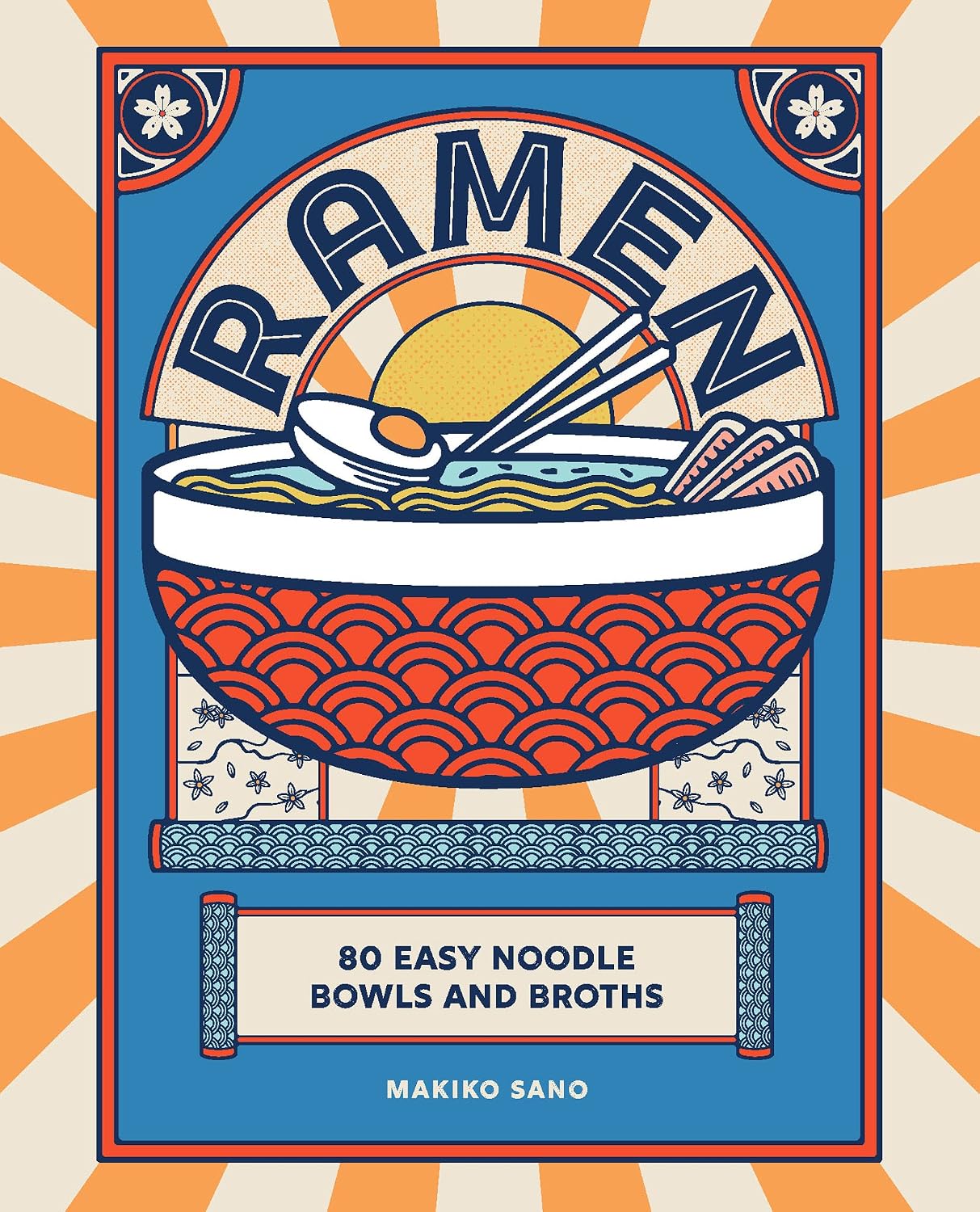
OH! Life Ramen: 80 Easy Noodle Bowls and Broths by Makiko Sano - Hardback Japanese & Korean Ramen Cookbook - 80 Recipes for Broths, Noodles & ToppingsRamen: 80 Easy Noodle Bowls and Broths is a beautifully illustrated hardback cookbook celebrating the global ramen craze. Written by Tokyo-born cook Makiko Sano, it guides home cooks through the fundamentals of building the perfect bowl, from rich, slow-simmered broths to quick instant versions. Whether you crave a light shoyu mushroom ramen or a deeply savoury tonkotsu pork broth, this collection offers something for every appetite, occasion, and skill level. The book distils the craft of noodle-bowl cooking into 80 approachable, thoroughly tested recipes. Makiko Sano begins with the essentials: how to make handmade noodles, how to layer flavour into broths, and how to balance tare, fat, and aromatics to create restaurant-quality results at home. This hardback cookbook is a must-have for anyone looking to explore the world of ramen.9,99 £*Shipping: 2,99 £Secure redirect to the provider
-
Yellow Door Sensory Play Stones, Pizza Toppings - MultiEat in or takeaway? Budding pizza chefs will love to create the pizzas of their choice using these durable food sculptures. Crafted from a unique stone mix, they are designed for use in mud, sand, dough and water both indoors and outside.34,95 $*Shipping: 0,00 $Secure redirect to the provider
-
The Handy Homestead Compostable Sugar Cane Straws Biodegradable Drinking & Eco Friendly Cocktail Straws Compostable Sugar Cane Straws Biodegradable Drinking & Eco Friendly Cocktail StrawsSip with purpose using our premium compostable sugar cane straws, designed for conscious consumers who want sustainability without compromise. These 200pcs 21cm eco alternatives elevate every drink from cold juices to fizzy cocktails while helping...41,97 $*Shipping: 0,00 $Secure redirect to the provider


-
What is the difference between deregulation and liberalization of markets?
Deregulation refers to the removal or reduction of government regulations and restrictions on a particular industry or market. This can lead to increased competition and lower prices for consumers. On the other hand, liberalization involves opening up a market to more competition by allowing new players to enter and operate in that market. This can also lead to increased competition, innovation, and efficiency in the market. In essence, deregulation focuses on removing existing regulations, while liberalization focuses on creating a more open and competitive market environment. **
-
How can one explain globalization in relation to deregulation and liberalization, and what are the social impacts of globalization?
Globalization can be explained in relation to deregulation and liberalization as the process of increasing interconnectedness and interdependence among countries, economies, and cultures. Deregulation refers to the reduction of government control and intervention in the economy, while liberalization refers to the opening up of markets and trade. These policies have facilitated the flow of goods, services, capital, and information across borders, leading to increased economic integration and global interconnectedness. The social impacts of globalization are multifaceted. On one hand, it has led to increased access to goods, services, and information, as well as the spread of ideas and cultures. On the other hand, it has also contributed to widening income inequality, job displacement, and the erosion of local cultures and traditions. Additionally, globalization has led to the exploitation of labor and resources in developing countries, as well as the homogenization of consumer culture. Overall, globalization has both positive and negative social impacts, and its effects vary across different regions and communities. **
-
Is it true that the AfD advocates for a reduction of the German welfare state and deregulation of the German economy?
Yes, it is true that the Alternative for Germany (AfD) party advocates for a reduction of the German welfare state and deregulation of the German economy. The party believes in smaller government intervention in the economy and supports free-market principles. They have called for cuts to social welfare programs and have criticized what they see as excessive government regulation hindering economic growth. **
-
Should Capri-Sonne change the paper straws back to plastic straws?
No, Capri-Sonne should not change the paper straws back to plastic straws. Plastic straws are harmful to the environment and contribute to pollution, while paper straws are more eco-friendly and biodegradable. Making the switch to paper straws aligns with the growing global movement to reduce plastic waste and protect the environment. Additionally, consumers are becoming more conscious of the environmental impact of their purchases, and using paper straws can enhance Capri-Sonne's brand image as a socially responsible company. **


Why are straws round?
Straws are typically round because a round shape allows for easier suction and flow of liquids. The circular shape creates a smooth, continuous path for the liquid to travel through without getting stuck or blocked. Additionally, a round shape is more structurally sound and less likely to collapse or bend during use. Overall, the round shape of straws is designed to provide a convenient and efficient way to consume beverages. **
"Plastic or paper straws?"
Plastic straws are harmful to the environment as they contribute to plastic pollution and can harm marine life. Paper straws are a more environmentally friendly alternative as they are biodegradable and can be easily recycled. Therefore, choosing paper straws over plastic straws is a more sustainable choice for reducing environmental impact. **
Top-Angebote
Products related to Deregulation:
-
Uplift Picks Reusable Colorful Silicone Straws Heat Resistant Bubble Tea Cup Accessories 3 PcsSip smarter and add a pop of color to every drink. These reusable silicone straws are designed for comfort, durability, and everyday convenience. Perfect for smoothies, iced coffee, and milk tea, these bubble tea straws are wide enough for pearls...31,98 $*Shipping: 0,00 $Secure redirect to the provider
-
OH! Life Ramen: 80 Easy Noodle Bowls and Broths by Makiko Sano - Hardback Japanese & Korean Ramen Cookbook - 80 Recipes for Broths, Noodles & ToppingsRamen: 80 Easy Noodle Bowls and Broths is a beautifully illustrated hardback cookbook celebrating the global ramen craze. Written by Tokyo-born cook Makiko Sano, it guides home cooks through the fundamentals of building the perfect bowl, from rich, slow-simmered broths to quick instant versions. Whether you crave a light shoyu mushroom ramen or a deeply savoury tonkotsu pork broth, this collection offers something for every appetite, occasion, and skill level. The book distils the craft of noodle-bowl cooking into 80 approachable, thoroughly tested recipes. Makiko Sano begins with the essentials: how to make handmade noodles, how to layer flavour into broths, and how to balance tare, fat, and aromatics to create restaurant-quality results at home. This hardback cookbook is a must-have for anyone looking to explore the world of ramen.9,99 £*Shipping: 2,99 £Secure redirect to the provider
-
Yellow Door Sensory Play Stones, Pizza Toppings - MultiEat in or takeaway? Budding pizza chefs will love to create the pizzas of their choice using these durable food sculptures. Crafted from a unique stone mix, they are designed for use in mud, sand, dough and water both indoors and outside.34,95 $*Shipping: 0,00 $Secure redirect to the provider
-
What is deregulation?
Deregulation refers to the process of reducing or removing government regulations and restrictions on a particular industry or sector. This can include eliminating price controls, reducing barriers to entry, and allowing for more competition. The goal of deregulation is often to promote efficiency, innovation, and lower prices for consumers by allowing market forces to operate more freely. However, critics argue that deregulation can lead to negative consequences such as reduced consumer protections and increased risk of market manipulation. **
-
What is the difference between liberalization and deregulation?
Liberalization refers to the opening up of markets to increased competition and reducing barriers to entry for new players. It aims to increase efficiency and innovation in industries by allowing more players to participate. On the other hand, deregulation specifically refers to the removal or reduction of government regulations and controls in a particular industry. While liberalization focuses on increasing competition, deregulation focuses on reducing government intervention and control in an industry. **
-
What is the difference between deregulation and liberalization of markets?
Deregulation refers to the removal or reduction of government regulations and restrictions on a particular industry or market. This can lead to increased competition and lower prices for consumers. On the other hand, liberalization involves opening up a market to more competition by allowing new players to enter and operate in that market. This can also lead to increased competition, innovation, and efficiency in the market. In essence, deregulation focuses on removing existing regulations, while liberalization focuses on creating a more open and competitive market environment. **
-
How can one explain globalization in relation to deregulation and liberalization, and what are the social impacts of globalization?
Globalization can be explained in relation to deregulation and liberalization as the process of increasing interconnectedness and interdependence among countries, economies, and cultures. Deregulation refers to the reduction of government control and intervention in the economy, while liberalization refers to the opening up of markets and trade. These policies have facilitated the flow of goods, services, capital, and information across borders, leading to increased economic integration and global interconnectedness. The social impacts of globalization are multifaceted. On one hand, it has led to increased access to goods, services, and information, as well as the spread of ideas and cultures. On the other hand, it has also contributed to widening income inequality, job displacement, and the erosion of local cultures and traditions. Additionally, globalization has led to the exploitation of labor and resources in developing countries, as well as the homogenization of consumer culture. Overall, globalization has both positive and negative social impacts, and its effects vary across different regions and communities. **
Similar search terms for Deregulation
-
The Handy Homestead Compostable Sugar Cane Straws Biodegradable Drinking & Eco Friendly Cocktail Straws Compostable Sugar Cane Straws Biodegradable Drinking & Eco Friendly Cocktail StrawsSip with purpose using our premium compostable sugar cane straws, designed for conscious consumers who want sustainability without compromise. These 200pcs 21cm eco alternatives elevate every drink from cold juices to fizzy cocktails while helping...41,97 $*Shipping: 0,00 $Secure redirect to the provider
-
Sol Living Moscow Mule Mugs Bar Accessories Drinking Cups 14 oz - 8 Pieces - 4 Cups & 4 StrawsIntroducing our exquisite Moscow Mule Gift Set, the ultimate addition to any kitchen or bar, blending elegance and functionality for cocktail enthusiasts.49,99 $*Shipping: 0,00 $Secure redirect to the provider
-
Uplift Picks Reusable Colorful Silicone Straws Heat Resistant Bubble Tea Cup Accessories 8 Pcs (straight)Sip smarter and add a pop of color to every drink. These reusable silicone straws are designed for comfort, durability, and everyday convenience. Perfect for smoothies, iced coffee, and milk tea, these bubble tea straws are wide enough for pearls...50,98 $*Shipping: 0,00 $Secure redirect to the provider
-
Is it true that the AfD advocates for a reduction of the German welfare state and deregulation of the German economy?
Yes, it is true that the Alternative for Germany (AfD) party advocates for a reduction of the German welfare state and deregulation of the German economy. The party believes in smaller government intervention in the economy and supports free-market principles. They have called for cuts to social welfare programs and have criticized what they see as excessive government regulation hindering economic growth. **
-
Should Capri-Sonne change the paper straws back to plastic straws?
No, Capri-Sonne should not change the paper straws back to plastic straws. Plastic straws are harmful to the environment and contribute to pollution, while paper straws are more eco-friendly and biodegradable. Making the switch to paper straws aligns with the growing global movement to reduce plastic waste and protect the environment. Additionally, consumers are becoming more conscious of the environmental impact of their purchases, and using paper straws can enhance Capri-Sonne's brand image as a socially responsible company. **
-
Why are straws round?
Straws are typically round because a round shape allows for easier suction and flow of liquids. The circular shape creates a smooth, continuous path for the liquid to travel through without getting stuck or blocked. Additionally, a round shape is more structurally sound and less likely to collapse or bend during use. Overall, the round shape of straws is designed to provide a convenient and efficient way to consume beverages. **
-
"Plastic or paper straws?"
Plastic straws are harmful to the environment as they contribute to plastic pollution and can harm marine life. Paper straws are a more environmentally friendly alternative as they are biodegradable and can be easily recycled. Therefore, choosing paper straws over plastic straws is a more sustainable choice for reducing environmental impact. **
* All prices are inclusive of VAT and, if applicable, plus shipping costs. The offer information is based on the details provided by the respective shop and is updated through automated processes. Real-time updates do not occur, so deviations can occur in individual cases. ** Note: Parts of this content were created by AI.