Buy bubbletea-shop.eu ?
We are moving the project
bubbletea-shop.eu .
Are you interested in purchasing the domain
bubbletea-shop.eu ?
domain@kv-gmbh.de · 0541-91531010
Buy bubbletea-shop.eu ?
Should Capri-Sonne change the paper straws back to plastic straws?
No, Capri-Sonne should not change the paper straws back to plastic straws. Plastic straws are harmful to the environment and contribute to pollution, while paper straws are more eco-friendly and biodegradable. Making the switch to paper straws aligns with the growing global movement to reduce plastic waste and protect the environment. Additionally, consumers are becoming more conscious of the environmental impact of their purchases, and using paper straws can enhance Capri-Sonne's brand image as a socially responsible company. **
Why are straws round?
Straws are typically round because a round shape allows for easier suction and flow of liquids. The circular shape creates a smooth, continuous path for the liquid to travel through without getting stuck or blocked. Additionally, a round shape is more structurally sound and less likely to collapse or bend during use. Overall, the round shape of straws is designed to provide a convenient and efficient way to consume beverages. **
Similar search terms for Vina-Pietra-Malvazija-Pietra
Top-Angebote
Products related to Vina-Pietra-Malvazija-Pietra:
-
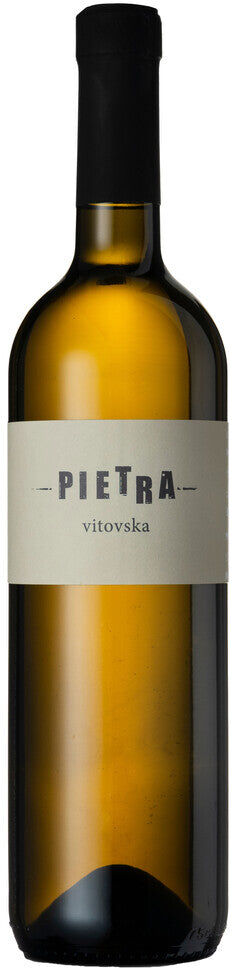
Vina Pietra Vitovska Pietra 2024The Vitovska from the Slovenian winery Vina Pietra represents a macerated white wine capable of infusing energy with its vibrant and authentic spirit. Marko Tavčar is the young artisanal winemaker at the helm of Vina Pietra, who with passion and love tends to a few hectares of vineyards in the Slovenian Karst, near the town of Kreplje, on the border with Friuli-Venezia Giulia. Here, Marko is dedicated to the cultivation of indigenous grape varieties such as Vitovska, Malvazija Istriana, and Teran, embracing a production philosophy aimed at enhancing the terroir, excluding any harmful and invasive practices for the environment. Vina Pietra Marko Tavčar Vitovska is an expression of the eponymous white grape variety grown on the characteristic ponka soils, made up of layers of marls and sandstones, while also rich in limestone rocks. Following the manual harvest, the bunches are transferred to the winery and then pressed in steel tanks for spontaneous alcoholic fermentation associated with 3 days of contact between the must and the skins. Once the fermentation process is completed, the mass is placed in cement tanks for maturation for several months before bottling, without prior filtration or clarification. The orange wine Vitovska Vina Pietra expresses an intense golden yellow color. Lively and captivating is the aromatic bouquet with its scents of fresh fruit like yellow peach and apple, macerated flowers, and dried fruit, accompanied by balsamic and herbal notes of mint, thyme, and sage, as well as decisive briny mineral puffs. An intense, dynamic, and vibrant sip, characterized by pleasant sapidity and freshness. The finish insists on saline and balsamic sensations consistent with the nose. A characterful macerated white wine that can easily support several years of further aging in the bottle if stored correctly.28,00 £*Shipping: 48,00 £Secure redirect to the provider



-
"Plastic or paper straws?"
Plastic straws are harmful to the environment as they contribute to plastic pollution and can harm marine life. Paper straws are a more environmentally friendly alternative as they are biodegradable and can be easily recycled. Therefore, choosing paper straws over plastic straws is a more sustainable choice for reducing environmental impact. **
-
Are flavors harmful?
Flavors themselves are not inherently harmful. However, certain artificial flavors may contain chemicals that could potentially be harmful if consumed in large quantities. It is important to be mindful of the ingredients in flavored products and to consume them in moderation. Natural flavors derived from fruits, herbs, and spices are generally considered safe for consumption. **
-
Are flavors proteins?
No, flavors are not proteins. Flavors are compounds that give food its taste and aroma, and they can be made up of various molecules such as esters, aldehydes, and acids. Proteins, on the other hand, are large biomolecules made up of amino acids that play a crucial role in the structure and function of cells in living organisms. **
-
How can flavors be extracted and custom flavors be created?
Flavors can be extracted from natural sources such as fruits, vegetables, herbs, and spices through various methods such as cold pressing, distillation, or solvent extraction. These extracted flavors can then be combined and adjusted to create custom flavors by blending different extracts together in specific proportions. Additionally, synthetic flavors can be created by chemically synthesizing specific compounds to mimic natural flavors. Custom flavors can also be created by modifying existing flavors through processes such as fermentation, enzymatic reactions, or aging. Overall, the creation of custom flavors involves a combination of art, science, and technology to achieve the desired taste profile. **


What are straws good for?
Straws are good for sipping and drinking beverages, especially for people with mobility issues or for children. They can also be used for stirring and mixing drinks, as well as for enjoying smoothies and milkshakes. Additionally, straws can be helpful for preventing tooth discoloration and reducing the risk of spills. **
What are different vegetarian bread toppings?
There are many delicious vegetarian bread toppings to choose from. Some popular options include avocado slices with a sprinkle of salt and pepper, hummus with roasted vegetables, sliced tomatoes with fresh basil and mozzarella, or almond butter with sliced bananas and a drizzle of honey. You can also try mashed chickpeas with lemon juice and herbs, ricotta cheese with figs and honey, or pesto with sun-dried tomatoes and feta cheese. The possibilities are endless when it comes to creating tasty vegetarian bread toppings. **
Top-Angebote
Products related to Vina-Pietra-Malvazija-Pietra:
-
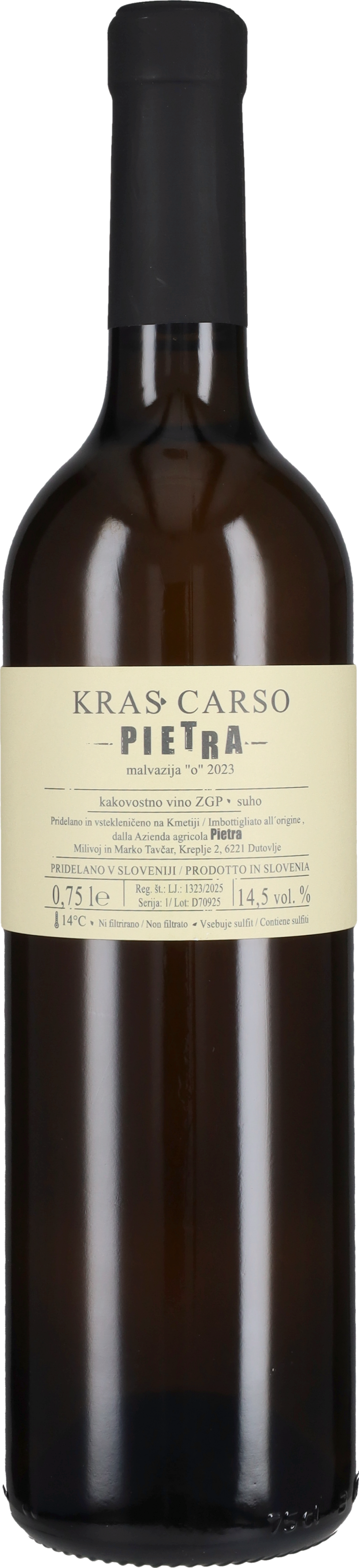
Vina Pietra Malvazija Pietra 2023the tasting: a powerful sip that engages the palate with a great buttery softness, perfectly balanced by a taut and invigorating freshness. A great white, aromatic and savory, which is the precise narrative of a terroir.the tasting: a powerful sip that engages the palate with a great buttery softness, perfectly balanced by a taut and invigorating freshness. A great white, aromatic and savory, which is the precise narrative of a terroir.the tasting: a powerful sip that engages the palate with a great buttery softness, perfectly balanced by a taut and invigorating freshness. A great white, aromatic and savory, which is the precise narrative of a terroir.27,00 £*Shipping: 48,00 £Secure redirect to the provider
-
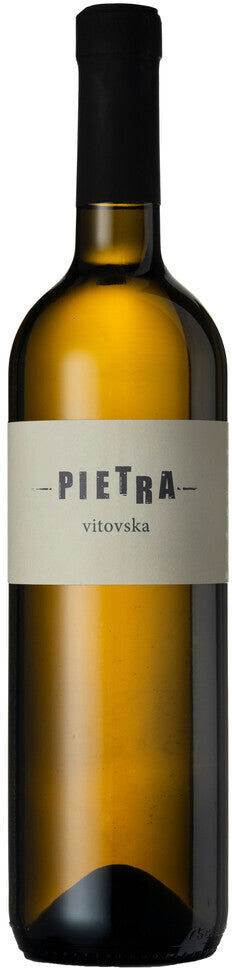
Vina Pietra Vitovska Pietra 2023The Vitovska from the Slovenian winery Vina Pietra represents a macerated white wine capable of infusing energy with its vibrant and authentic spirit. Marko Tavčar is the young artisanal winemaker at the helm of Vina Pietra, who with passion and love tends to a few hectares of vineyards in the Slovenian Karst, near the town of Kreplje, on the border with Friuli-Venezia Giulia. Here, Marko is dedicated to the cultivation of indigenous grape varieties such as Vitovska, Malvazija Istriana, and Teran, embracing a production philosophy aimed at enhancing the terroir, excluding any harmful and invasive practices for the environment. Vina Pietra Marko Tavčar Vitovska is an expression of the eponymous white grape variety grown on the characteristic ponka soils, made up of layers of marls and sandstones, while also rich in limestone rocks. Following the manual harvest, the bunches are transferred to the winery and then pressed in steel tanks for spontaneous alcoholic fermentation associated with 3 days of contact between the must and the skins. Once the fermentation process is completed, the mass is placed in cement tanks for maturation for several months before bottling, without prior filtration or clarification. The orange wine Vitovska Vina Pietra expresses an intense golden yellow color. Lively and captivating is the aromatic bouquet with its scents of fresh fruit like yellow peach and apple, macerated flowers, and dried fruit, accompanied by balsamic and herbal notes of mint, thyme, and sage, as well as decisive briny mineral puffs. An intense, dynamic, and vibrant sip, characterized by pleasant sapidity and freshness. The finish insists on saline and balsamic sensations consistent with the nose. A characterful macerated white wine that can easily support several years of further aging in the bottle if stored correctly.29,00 £*Shipping: 48,00 £Secure redirect to the provider
-
Vina Pietra Vitovska Pietra 2024The Vitovska from the Slovenian winery Vina Pietra represents a macerated white wine capable of infusing energy with its vibrant and authentic spirit. Marko Tavčar is the young artisanal winemaker at the helm of Vina Pietra, who with passion and love tends to a few hectares of vineyards in the Slovenian Karst, near the town of Kreplje, on the border with Friuli-Venezia Giulia. Here, Marko is dedicated to the cultivation of indigenous grape varieties such as Vitovska, Malvazija Istriana, and Teran, embracing a production philosophy aimed at enhancing the terroir, excluding any harmful and invasive practices for the environment. Vina Pietra Marko Tavčar Vitovska is an expression of the eponymous white grape variety grown on the characteristic ponka soils, made up of layers of marls and sandstones, while also rich in limestone rocks. Following the manual harvest, the bunches are transferred to the winery and then pressed in steel tanks for spontaneous alcoholic fermentation associated with 3 days of contact between the must and the skins. Once the fermentation process is completed, the mass is placed in cement tanks for maturation for several months before bottling, without prior filtration or clarification. The orange wine Vitovska Vina Pietra expresses an intense golden yellow color. Lively and captivating is the aromatic bouquet with its scents of fresh fruit like yellow peach and apple, macerated flowers, and dried fruit, accompanied by balsamic and herbal notes of mint, thyme, and sage, as well as decisive briny mineral puffs. An intense, dynamic, and vibrant sip, characterized by pleasant sapidity and freshness. The finish insists on saline and balsamic sensations consistent with the nose. A characterful macerated white wine that can easily support several years of further aging in the bottle if stored correctly.28,00 £*Shipping: 48,00 £Secure redirect to the provider
-
Should Capri-Sonne change the paper straws back to plastic straws?
No, Capri-Sonne should not change the paper straws back to plastic straws. Plastic straws are harmful to the environment and contribute to pollution, while paper straws are more eco-friendly and biodegradable. Making the switch to paper straws aligns with the growing global movement to reduce plastic waste and protect the environment. Additionally, consumers are becoming more conscious of the environmental impact of their purchases, and using paper straws can enhance Capri-Sonne's brand image as a socially responsible company. **
-
Why are straws round?
Straws are typically round because a round shape allows for easier suction and flow of liquids. The circular shape creates a smooth, continuous path for the liquid to travel through without getting stuck or blocked. Additionally, a round shape is more structurally sound and less likely to collapse or bend during use. Overall, the round shape of straws is designed to provide a convenient and efficient way to consume beverages. **
-
"Plastic or paper straws?"
Plastic straws are harmful to the environment as they contribute to plastic pollution and can harm marine life. Paper straws are a more environmentally friendly alternative as they are biodegradable and can be easily recycled. Therefore, choosing paper straws over plastic straws is a more sustainable choice for reducing environmental impact. **
-
Are flavors harmful?
Flavors themselves are not inherently harmful. However, certain artificial flavors may contain chemicals that could potentially be harmful if consumed in large quantities. It is important to be mindful of the ingredients in flavored products and to consume them in moderation. Natural flavors derived from fruits, herbs, and spices are generally considered safe for consumption. **
Similar search terms for Vina-Pietra-Malvazija-Pietra
-
Are flavors proteins?
No, flavors are not proteins. Flavors are compounds that give food its taste and aroma, and they can be made up of various molecules such as esters, aldehydes, and acids. Proteins, on the other hand, are large biomolecules made up of amino acids that play a crucial role in the structure and function of cells in living organisms. **
-
How can flavors be extracted and custom flavors be created?
Flavors can be extracted from natural sources such as fruits, vegetables, herbs, and spices through various methods such as cold pressing, distillation, or solvent extraction. These extracted flavors can then be combined and adjusted to create custom flavors by blending different extracts together in specific proportions. Additionally, synthetic flavors can be created by chemically synthesizing specific compounds to mimic natural flavors. Custom flavors can also be created by modifying existing flavors through processes such as fermentation, enzymatic reactions, or aging. Overall, the creation of custom flavors involves a combination of art, science, and technology to achieve the desired taste profile. **
-
What are straws good for?
Straws are good for sipping and drinking beverages, especially for people with mobility issues or for children. They can also be used for stirring and mixing drinks, as well as for enjoying smoothies and milkshakes. Additionally, straws can be helpful for preventing tooth discoloration and reducing the risk of spills. **
-
What are different vegetarian bread toppings?
There are many delicious vegetarian bread toppings to choose from. Some popular options include avocado slices with a sprinkle of salt and pepper, hummus with roasted vegetables, sliced tomatoes with fresh basil and mozzarella, or almond butter with sliced bananas and a drizzle of honey. You can also try mashed chickpeas with lemon juice and herbs, ricotta cheese with figs and honey, or pesto with sun-dried tomatoes and feta cheese. The possibilities are endless when it comes to creating tasty vegetarian bread toppings. **
* All prices are inclusive of VAT and, if applicable, plus shipping costs. The offer information is based on the details provided by the respective shop and is updated through automated processes. Real-time updates do not occur, so deviations can occur in individual cases. ** Note: Parts of this content were created by AI.