Buy bubbletea-shop.eu ?
We are moving the project
bubbletea-shop.eu .
Are you interested in purchasing the domain
bubbletea-shop.eu ?
domain@kv-gmbh.de · 0541-91531010
Buy bubbletea-shop.eu ?
Why is nitrogen so unreactive?
Nitrogen is unreactive because it has a very stable triple bond between its two nitrogen atoms in the N2 molecule. This triple bond requires a large amount of energy to break, making nitrogen less likely to participate in chemical reactions. Additionally, the outer electron shell of nitrogen is already filled with 8 electrons, making it less likely to gain or lose electrons to form chemical bonds with other elements. These factors contribute to nitrogen's overall inertness and unreactivity. **
Why are noble gases so unreactive?
Noble gases are unreactive because they have a full outer electron shell, making them very stable. This full outer shell means that they do not need to gain, lose, or share electrons with other atoms to achieve a stable electron configuration. As a result, noble gases do not readily form chemical bonds with other elements, making them highly unreactive. **


Similar search terms for Unreactive
Top-Angebote
Products related to Unreactive:
-
Yellow Door Sensory Play Stones, Pizza Toppings - MultiEat in or takeaway? Budding pizza chefs will love to create the pizzas of their choice using these durable food sculptures. Crafted from a unique stone mix, they are designed for use in mud, sand, dough and water both indoors and outside.34,95 $*Shipping: 0,00 $Secure redirect to the provider
-
Sol Living Moscow Mule Mugs Bar Accessories Drinking Cups 14 oz - 8 Pieces - 4 Cups & 4 StrawsIntroducing our exquisite Moscow Mule Gift Set, the ultimate addition to any kitchen or bar, blending elegance and functionality for cocktail enthusiasts.49,99 $*Shipping: 0,00 $Secure redirect to the provider
-
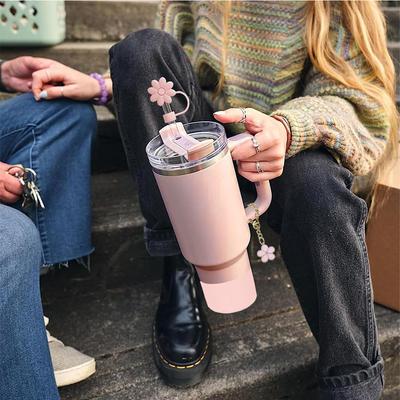
Friendly Fresh Finds Stanley Cup Accessories Set Spill Proof Stoppers, Straws, Brushes & Flower Charm For Customization creamElevate your Stanley Cup with our 9pcs Stanley Cup Accessories Set. This thoughtfully curated set includes everything you need to personalize and protect your favorite cup. Designed for convenience and style, it features three spillproof stoppers,...34,97 $*Shipping: 0,00 $Secure redirect to the provider



-
What does unreactive mean in chemistry?
In chemistry, unreactive refers to a substance or element that does not readily undergo chemical reactions with other substances. This could be due to a stable electronic configuration, which makes it less likely to gain or lose electrons. Unreactive substances are often used as inert materials or as protective coatings to prevent reactions with other chemicals. Examples of unreactive elements include noble gases like helium, neon, and argon. **
-
How do alcohols react with unreactive metals?
Alcohols do not typically react with unreactive metals such as copper, silver, or gold. This is because alcohols are relatively weak acids and do not have the ability to displace the metal from its compound. Therefore, unreactive metals do not undergo any significant chemical reaction with alcohols. However, more reactive metals such as sodium or potassium can react with alcohols to produce hydrogen gas and the corresponding metal alkoxide. **
-
How do acids react with unreactive metals?
Acids react with unreactive metals by displacing hydrogen from the acid. This reaction produces hydrogen gas and a salt of the metal. For example, when hydrochloric acid reacts with a metal like zinc, it produces zinc chloride and hydrogen gas. The reaction between acids and unreactive metals is a redox reaction, where the metal is oxidized and the hydrogen in the acid is reduced. **
-
Are the elements in the 7th main group of the periodic table, the halogens, reactive or rather unreactive?
The elements in the 7th main group of the periodic table, the halogens, are highly reactive. They have a strong tendency to gain an electron to achieve a full outer shell, making them very reactive with other elements. For example, they readily form compounds with metals, creating salts. This reactivity is due to their high electronegativity and their strong desire to gain an electron. **
Is the element fluorine reactive or rather unreactive? How can this be explained using the noble gases as an example?
Fluorine is highly reactive due to its strong electronegativity and its tendency to gain an electron to achieve a stable octet configuration. This makes it highly reactive with other elements, forming compounds such as fluorides. This can be explained using the noble gases as an example, as they have a stable octet configuration and are therefore very unreactive. Fluorine's reactivity contrasts with the noble gases, as it seeks to gain an electron to achieve stability, while the noble gases already have a full outer shell and do not readily form compounds. **
Should Capri-Sonne change the paper straws back to plastic straws?
No, Capri-Sonne should not change the paper straws back to plastic straws. Plastic straws are harmful to the environment and contribute to pollution, while paper straws are more eco-friendly and biodegradable. Making the switch to paper straws aligns with the growing global movement to reduce plastic waste and protect the environment. Additionally, consumers are becoming more conscious of the environmental impact of their purchases, and using paper straws can enhance Capri-Sonne's brand image as a socially responsible company. **
Top-Angebote
Products related to Unreactive:
-
Uplift Picks Reusable Colorful Silicone Straws Heat Resistant Bubble Tea Cup Accessories 3 PcsSip smarter and add a pop of color to every drink. These reusable silicone straws are designed for comfort, durability, and everyday convenience. Perfect for smoothies, iced coffee, and milk tea, these bubble tea straws are wide enough for pearls...31,98 $*Shipping: 0,00 $Secure redirect to the provider
-
Yellow Door Sensory Play Stones, Pizza Toppings - MultiEat in or takeaway? Budding pizza chefs will love to create the pizzas of their choice using these durable food sculptures. Crafted from a unique stone mix, they are designed for use in mud, sand, dough and water both indoors and outside.34,95 $*Shipping: 0,00 $Secure redirect to the provider
-
Why is nitrogen so unreactive?
Nitrogen is unreactive because it has a very stable triple bond between its two nitrogen atoms in the N2 molecule. This triple bond requires a large amount of energy to break, making nitrogen less likely to participate in chemical reactions. Additionally, the outer electron shell of nitrogen is already filled with 8 electrons, making it less likely to gain or lose electrons to form chemical bonds with other elements. These factors contribute to nitrogen's overall inertness and unreactivity. **
-
Why are noble gases so unreactive?
Noble gases are unreactive because they have a full outer electron shell, making them very stable. This full outer shell means that they do not need to gain, lose, or share electrons with other atoms to achieve a stable electron configuration. As a result, noble gases do not readily form chemical bonds with other elements, making them highly unreactive. **
-
What does unreactive mean in chemistry?
In chemistry, unreactive refers to a substance or element that does not readily undergo chemical reactions with other substances. This could be due to a stable electronic configuration, which makes it less likely to gain or lose electrons. Unreactive substances are often used as inert materials or as protective coatings to prevent reactions with other chemicals. Examples of unreactive elements include noble gases like helium, neon, and argon. **
-
How do alcohols react with unreactive metals?
Alcohols do not typically react with unreactive metals such as copper, silver, or gold. This is because alcohols are relatively weak acids and do not have the ability to displace the metal from its compound. Therefore, unreactive metals do not undergo any significant chemical reaction with alcohols. However, more reactive metals such as sodium or potassium can react with alcohols to produce hydrogen gas and the corresponding metal alkoxide. **
Similar search terms for Unreactive
-
Sol Living Moscow Mule Mugs Bar Accessories Drinking Cups 14 oz - 8 Pieces - 4 Cups & 4 StrawsIntroducing our exquisite Moscow Mule Gift Set, the ultimate addition to any kitchen or bar, blending elegance and functionality for cocktail enthusiasts.49,99 $*Shipping: 0,00 $Secure redirect to the provider
-
Friendly Fresh Finds Stanley Cup Accessories Set Spill Proof Stoppers, Straws, Brushes & Flower Charm For Customization creamElevate your Stanley Cup with our 9pcs Stanley Cup Accessories Set. This thoughtfully curated set includes everything you need to personalize and protect your favorite cup. Designed for convenience and style, it features three spillproof stoppers,...34,97 $*Shipping: 0,00 $Secure redirect to the provider
-
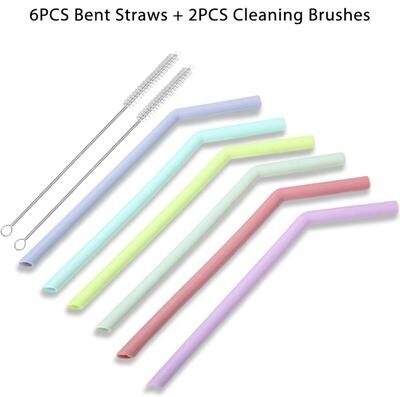
Uplift Picks Reusable Colorful Silicone Straws Heat Resistant Bubble Tea Cup Accessories 8 Pcs (bent)Sip smarter and add a pop of color to every drink. These reusable silicone straws are designed for comfort, durability, and everyday convenience. Perfect for smoothies, iced coffee, and milk tea, these bubble tea straws are wide enough for pearls...54,48 $*Shipping: 0,00 $Secure redirect to the provider
-
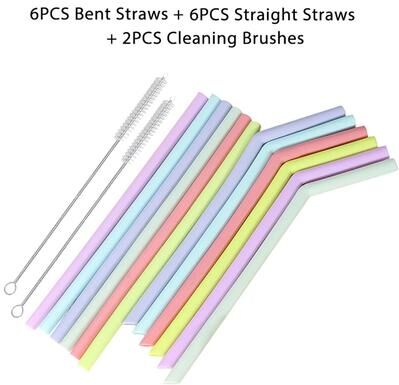
Uplift Picks Reusable Colorful Silicone Straws Heat Resistant Bubble Tea Cup Accessories 14 Pcs (mix)Sip smarter and add a pop of color to every drink. These reusable silicone straws are designed for comfort, durability, and everyday convenience. Perfect for smoothies, iced coffee, and milk tea, these bubble tea straws are wide enough for pearls...44,98 $*Shipping: 0,00 $Secure redirect to the provider
-
How do acids react with unreactive metals?
Acids react with unreactive metals by displacing hydrogen from the acid. This reaction produces hydrogen gas and a salt of the metal. For example, when hydrochloric acid reacts with a metal like zinc, it produces zinc chloride and hydrogen gas. The reaction between acids and unreactive metals is a redox reaction, where the metal is oxidized and the hydrogen in the acid is reduced. **
-
Are the elements in the 7th main group of the periodic table, the halogens, reactive or rather unreactive?
The elements in the 7th main group of the periodic table, the halogens, are highly reactive. They have a strong tendency to gain an electron to achieve a full outer shell, making them very reactive with other elements. For example, they readily form compounds with metals, creating salts. This reactivity is due to their high electronegativity and their strong desire to gain an electron. **
-
Is the element fluorine reactive or rather unreactive? How can this be explained using the noble gases as an example?
Fluorine is highly reactive due to its strong electronegativity and its tendency to gain an electron to achieve a stable octet configuration. This makes it highly reactive with other elements, forming compounds such as fluorides. This can be explained using the noble gases as an example, as they have a stable octet configuration and are therefore very unreactive. Fluorine's reactivity contrasts with the noble gases, as it seeks to gain an electron to achieve stability, while the noble gases already have a full outer shell and do not readily form compounds. **
-
Should Capri-Sonne change the paper straws back to plastic straws?
No, Capri-Sonne should not change the paper straws back to plastic straws. Plastic straws are harmful to the environment and contribute to pollution, while paper straws are more eco-friendly and biodegradable. Making the switch to paper straws aligns with the growing global movement to reduce plastic waste and protect the environment. Additionally, consumers are becoming more conscious of the environmental impact of their purchases, and using paper straws can enhance Capri-Sonne's brand image as a socially responsible company. **
* All prices are inclusive of VAT and, if applicable, plus shipping costs. The offer information is based on the details provided by the respective shop and is updated through automated processes. Real-time updates do not occur, so deviations can occur in individual cases. ** Note: Parts of this content were created by AI.