Buy bubbletea-shop.eu ?
We are moving the project
bubbletea-shop.eu .
Are you interested in purchasing the domain
bubbletea-shop.eu ?
domain@kv-gmbh.de · 0541-91531010
Buy bubbletea-shop.eu ?
Why can't trypsin cleave trypsin?
Trypsin cannot cleave itself because it cleaves peptide bonds at the carboxyl side of basic amino acids such as lysine and arginine. Trypsin contains multiple lysine and arginine residues in its own structure, making it susceptible to cleavage by other trypsin molecules. This self-cleavage would result in the inactivation of trypsin and disrupt its enzymatic function. Therefore, trypsin has mechanisms to prevent self-cleavage and maintain its activity. **
What are the enzymes pepsin and trypsin?
Pepsin is an enzyme produced in the stomach that helps break down proteins into smaller peptides. It works best in the acidic environment of the stomach and is essential for the digestion of proteins in the stomach. Trypsin, on the other hand, is an enzyme produced in the pancreas and is released into the small intestine. It also helps break down proteins into smaller peptides and is essential for the digestion of proteins in the small intestine. Both pepsin and trypsin play crucial roles in the digestion of proteins in the human body. **

Similar search terms for Trypsin
Top-Angebote
Products related to Trypsin:
-
Yellow Door Sensory Play Stones, Pizza Toppings - MultiEat in or takeaway? Budding pizza chefs will love to create the pizzas of their choice using these durable food sculptures. Crafted from a unique stone mix, they are designed for use in mud, sand, dough and water both indoors and outside.34,95 $*Shipping: 0,00 $Secure redirect to the provider
-
Uplift Picks Reusable Colorful Silicone Straws Heat Resistant Bubble Tea Cup Accessories 3 PcsSip smarter and add a pop of color to every drink. These reusable silicone straws are designed for comfort, durability, and everyday convenience. Perfect for smoothies, iced coffee, and milk tea, these bubble tea straws are wide enough for pearls...31,98 $*Shipping: 0,00 $Secure redirect to the provider
-
The Handy Homestead Compostable Sugar Cane Straws Biodegradable Drinking & Eco Friendly Cocktail Straws Compostable Sugar Cane Straws Biodegradable Drinking & Eco Friendly Cocktail StrawsSip with purpose using our premium compostable sugar cane straws, designed for conscious consumers who want sustainability without compromise. These 200pcs 21cm eco alternatives elevate every drink from cold juices to fizzy cocktails while helping...41,97 $*Shipping: 0,00 $Secure redirect to the provider


-
How do you know that trypsin is alkaline?
Trypsin is known to be alkaline because it functions optimally at a pH range of 7.5-8.5. This means that trypsin is most active in an alkaline environment. Additionally, trypsin is a serine protease enzyme, and serine proteases are typically active in alkaline conditions. Lastly, trypsin is often used in laboratory settings where the pH of the solution is adjusted to be alkaline to ensure its optimal activity. **
-
Why doesn't trypsin actually dissolve the stomach wall?
Trypsin does not dissolve the stomach wall because the stomach wall is protected by a thick layer of mucus that acts as a physical barrier. This mucus layer prevents the trypsin from coming into direct contact with the stomach wall cells. Additionally, the stomach wall cells secrete substances like bicarbonate that help neutralize the acidic environment created by trypsin, further protecting the stomach wall from being dissolved. Lastly, the stomach wall cells also have mechanisms to repair any damage caused by trypsin, ensuring the integrity of the stomach lining. **
-
Can you explain the curve of pepsin and trypsin?
Pepsin and trypsin are enzymes involved in the digestion of proteins. The curve of pepsin shows that it is most active in acidic environments, such as the stomach, with an optimal pH range of 1.5-2.5. In contrast, trypsin is most active in alkaline environments, such as the small intestine, with an optimal pH range of 7.5-8.5. This difference in pH optima allows these enzymes to work in different parts of the digestive system, breaking down proteins into smaller peptides and amino acids for absorption. **
-
What is the difference between the enzymes Trypsin and Pepsin?
Trypsin and Pepsin are both enzymes involved in the digestion of proteins, but they differ in their site of action and optimal pH. Trypsin is produced in the pancreas and acts in the small intestine, where it breaks down proteins into smaller peptides. It works best in an alkaline environment. On the other hand, Pepsin is produced in the stomach and works best in acidic conditions. Pepsin breaks down proteins into peptides in the stomach before they are further digested by Trypsin in the small intestine. **

What is the difference between the enzyme trypsin and pepsin?
Trypsin and pepsin are both digestive enzymes, but they have different functions and work in different parts of the digestive system. Trypsin is produced in the pancreas and works in the small intestine to break down proteins into smaller peptides. Pepsin, on the other hand, is produced in the stomach and works to break down proteins into peptides in the acidic environment of the stomach. Additionally, trypsin works best at a slightly alkaline pH, while pepsin works best in an acidic environment. **
Should Capri-Sonne change the paper straws back to plastic straws?
No, Capri-Sonne should not change the paper straws back to plastic straws. Plastic straws are harmful to the environment and contribute to pollution, while paper straws are more eco-friendly and biodegradable. Making the switch to paper straws aligns with the growing global movement to reduce plastic waste and protect the environment. Additionally, consumers are becoming more conscious of the environmental impact of their purchases, and using paper straws can enhance Capri-Sonne's brand image as a socially responsible company. **
Top-Angebote
Products related to Trypsin:
-
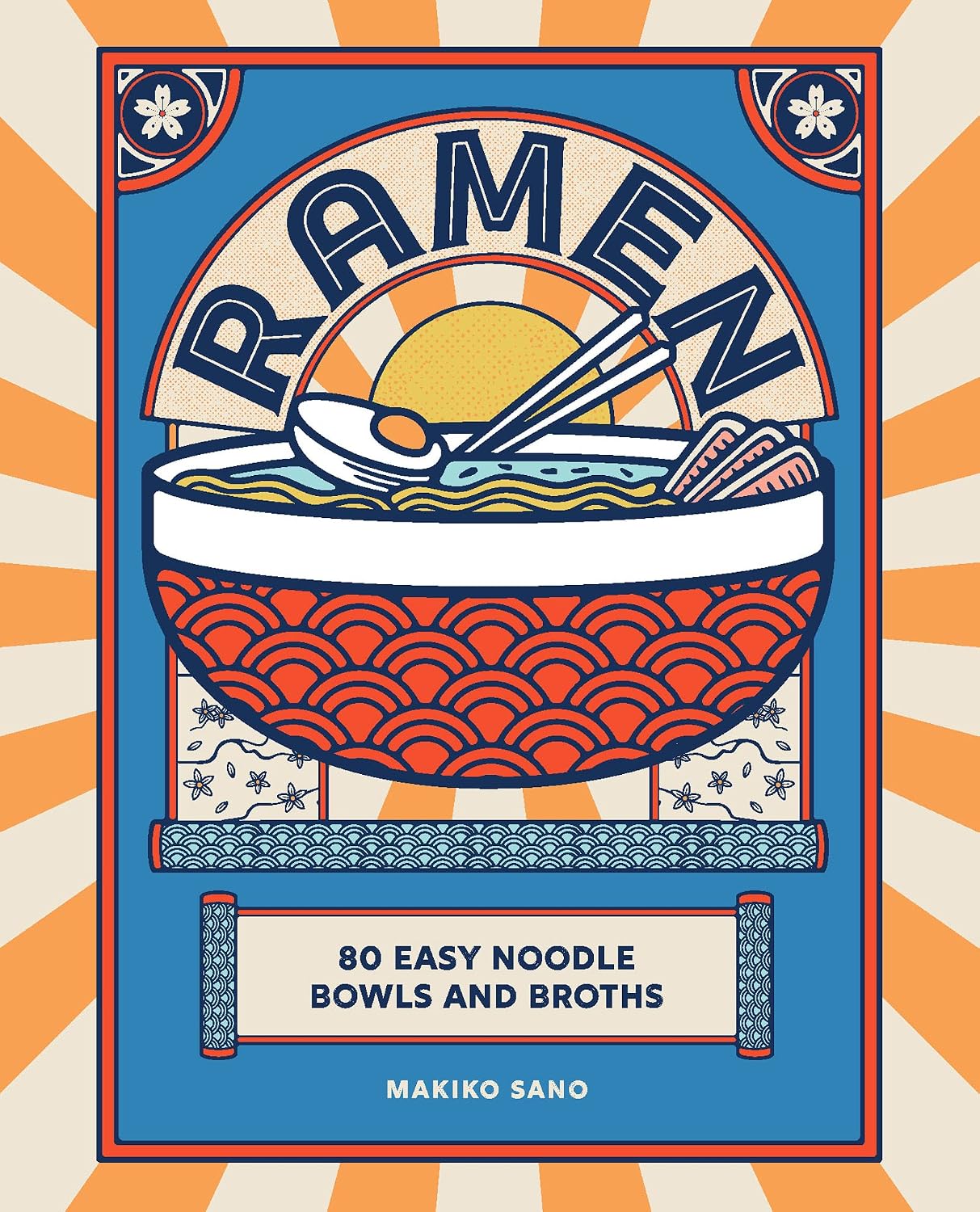
OH! Life Ramen: 80 Easy Noodle Bowls and Broths by Makiko Sano - Hardback Japanese & Korean Ramen Cookbook - 80 Recipes for Broths, Noodles & ToppingsRamen: 80 Easy Noodle Bowls and Broths is a beautifully illustrated hardback cookbook celebrating the global ramen craze. Written by Tokyo-born cook Makiko Sano, it guides home cooks through the fundamentals of building the perfect bowl, from rich, slow-simmered broths to quick instant versions. Whether you crave a light shoyu mushroom ramen or a deeply savoury tonkotsu pork broth, this collection offers something for every appetite, occasion, and skill level. The book distils the craft of noodle-bowl cooking into 80 approachable, thoroughly tested recipes. Makiko Sano begins with the essentials: how to make handmade noodles, how to layer flavour into broths, and how to balance tare, fat, and aromatics to create restaurant-quality results at home. This hardback cookbook is a must-have for anyone looking to explore the world of ramen.9,99 £*Shipping: 2,99 £Secure redirect to the provider
-
Yellow Door Sensory Play Stones, Pizza Toppings - MultiEat in or takeaway? Budding pizza chefs will love to create the pizzas of their choice using these durable food sculptures. Crafted from a unique stone mix, they are designed for use in mud, sand, dough and water both indoors and outside.34,95 $*Shipping: 0,00 $Secure redirect to the provider
-
Uplift Picks Reusable Colorful Silicone Straws Heat Resistant Bubble Tea Cup Accessories 3 PcsSip smarter and add a pop of color to every drink. These reusable silicone straws are designed for comfort, durability, and everyday convenience. Perfect for smoothies, iced coffee, and milk tea, these bubble tea straws are wide enough for pearls...31,98 $*Shipping: 0,00 $Secure redirect to the provider
-
Why can't trypsin cleave trypsin?
Trypsin cannot cleave itself because it cleaves peptide bonds at the carboxyl side of basic amino acids such as lysine and arginine. Trypsin contains multiple lysine and arginine residues in its own structure, making it susceptible to cleavage by other trypsin molecules. This self-cleavage would result in the inactivation of trypsin and disrupt its enzymatic function. Therefore, trypsin has mechanisms to prevent self-cleavage and maintain its activity. **
-
What are the enzymes pepsin and trypsin?
Pepsin is an enzyme produced in the stomach that helps break down proteins into smaller peptides. It works best in the acidic environment of the stomach and is essential for the digestion of proteins in the stomach. Trypsin, on the other hand, is an enzyme produced in the pancreas and is released into the small intestine. It also helps break down proteins into smaller peptides and is essential for the digestion of proteins in the small intestine. Both pepsin and trypsin play crucial roles in the digestion of proteins in the human body. **
-
How do you know that trypsin is alkaline?
Trypsin is known to be alkaline because it functions optimally at a pH range of 7.5-8.5. This means that trypsin is most active in an alkaline environment. Additionally, trypsin is a serine protease enzyme, and serine proteases are typically active in alkaline conditions. Lastly, trypsin is often used in laboratory settings where the pH of the solution is adjusted to be alkaline to ensure its optimal activity. **
-
Why doesn't trypsin actually dissolve the stomach wall?
Trypsin does not dissolve the stomach wall because the stomach wall is protected by a thick layer of mucus that acts as a physical barrier. This mucus layer prevents the trypsin from coming into direct contact with the stomach wall cells. Additionally, the stomach wall cells secrete substances like bicarbonate that help neutralize the acidic environment created by trypsin, further protecting the stomach wall from being dissolved. Lastly, the stomach wall cells also have mechanisms to repair any damage caused by trypsin, ensuring the integrity of the stomach lining. **
Similar search terms for Trypsin
-
The Handy Homestead Compostable Sugar Cane Straws Biodegradable Drinking & Eco Friendly Cocktail Straws Compostable Sugar Cane Straws Biodegradable Drinking & Eco Friendly Cocktail StrawsSip with purpose using our premium compostable sugar cane straws, designed for conscious consumers who want sustainability without compromise. These 200pcs 21cm eco alternatives elevate every drink from cold juices to fizzy cocktails while helping...41,97 $*Shipping: 0,00 $Secure redirect to the provider
-
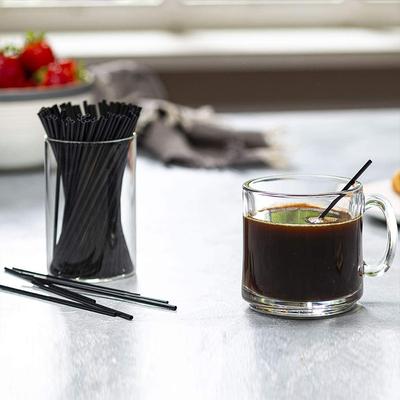
The Handy Homestead Black Cocktail Straws Disposable Coffee Stirrer Straws For Bars And Parties Black Cocktail Straws Disposable Coffee Stirrer Straws For Bars And PartiesMake every drink look polished, clean, and ready to serve. These 500pcs black cocktail straws are a simple way to upgrade coffee, cocktails, juice, soda, and party drinks without extra prep. Designed for home hosts, cafs, bars, caterers, and event...34,97 $*Shipping: 0,00 $Secure redirect to the provider
-
Uplift Picks Reusable Colorful Silicone Straws Heat Resistant Bubble Tea Cup Accessories 8 Pcs (straight)Sip smarter and add a pop of color to every drink. These reusable silicone straws are designed for comfort, durability, and everyday convenience. Perfect for smoothies, iced coffee, and milk tea, these bubble tea straws are wide enough for pearls...50,98 $*Shipping: 0,00 $Secure redirect to the provider
-
Can you explain the curve of pepsin and trypsin?
Pepsin and trypsin are enzymes involved in the digestion of proteins. The curve of pepsin shows that it is most active in acidic environments, such as the stomach, with an optimal pH range of 1.5-2.5. In contrast, trypsin is most active in alkaline environments, such as the small intestine, with an optimal pH range of 7.5-8.5. This difference in pH optima allows these enzymes to work in different parts of the digestive system, breaking down proteins into smaller peptides and amino acids for absorption. **
-
What is the difference between the enzymes Trypsin and Pepsin?
Trypsin and Pepsin are both enzymes involved in the digestion of proteins, but they differ in their site of action and optimal pH. Trypsin is produced in the pancreas and acts in the small intestine, where it breaks down proteins into smaller peptides. It works best in an alkaline environment. On the other hand, Pepsin is produced in the stomach and works best in acidic conditions. Pepsin breaks down proteins into peptides in the stomach before they are further digested by Trypsin in the small intestine. **
-
What is the difference between the enzyme trypsin and pepsin?
Trypsin and pepsin are both digestive enzymes, but they have different functions and work in different parts of the digestive system. Trypsin is produced in the pancreas and works in the small intestine to break down proteins into smaller peptides. Pepsin, on the other hand, is produced in the stomach and works to break down proteins into peptides in the acidic environment of the stomach. Additionally, trypsin works best at a slightly alkaline pH, while pepsin works best in an acidic environment. **
-
Should Capri-Sonne change the paper straws back to plastic straws?
No, Capri-Sonne should not change the paper straws back to plastic straws. Plastic straws are harmful to the environment and contribute to pollution, while paper straws are more eco-friendly and biodegradable. Making the switch to paper straws aligns with the growing global movement to reduce plastic waste and protect the environment. Additionally, consumers are becoming more conscious of the environmental impact of their purchases, and using paper straws can enhance Capri-Sonne's brand image as a socially responsible company. **
* All prices are inclusive of VAT and, if applicable, plus shipping costs. The offer information is based on the details provided by the respective shop and is updated through automated processes. Real-time updates do not occur, so deviations can occur in individual cases. ** Note: Parts of this content were created by AI.