Buy bubbletea-shop.eu ?
We are moving the project
bubbletea-shop.eu .
Are you interested in purchasing the domain
bubbletea-shop.eu ?
domain@kv-gmbh.de · 0541-91531010
Buy bubbletea-shop.eu ?
Are there mammoths?
No, mammoths are extinct. They were large, elephant-like creatures that lived during the Ice Age, but they went extinct around 4,000 years ago. However, there have been some recent efforts to potentially bring back the mammoth through genetic engineering and cloning, but as of now, mammoths do not exist in the wild. **
When did mammoths exist?
Mammoths existed during the Pleistocene epoch, which lasted from about 2.6 million years ago to around 11,700 years ago. They roamed across North America, Europe, Asia, and Africa during this time. The last known population of mammoths lived on Wrangel Island in the Arctic Ocean and are believed to have gone extinct around 4,000 years ago. **

Similar search terms for Mammoths
Top-Angebote
Products related to Mammoths:
-
Uplift Picks Reusable Colorful Silicone Straws Heat Resistant Bubble Tea Cup Accessories 3 PcsSip smarter and add a pop of color to every drink. These reusable silicone straws are designed for comfort, durability, and everyday convenience. Perfect for smoothies, iced coffee, and milk tea, these bubble tea straws are wide enough for pearls...31,98 $*Shipping: 0,00 $Secure redirect to the provider
-
Yellow Door Sensory Play Stones, Pizza Toppings - MultiEat in or takeaway? Budding pizza chefs will love to create the pizzas of their choice using these durable food sculptures. Crafted from a unique stone mix, they are designed for use in mud, sand, dough and water both indoors and outside.34,95 $*Shipping: 0,00 $Secure redirect to the provider
-
The Handy Homestead Compostable Sugar Cane Straws Biodegradable Drinking & Eco Friendly Cocktail Straws Compostable Sugar Cane Straws Biodegradable Drinking & Eco Friendly Cocktail StrawsSip with purpose using our premium compostable sugar cane straws, designed for conscious consumers who want sustainability without compromise. These 200pcs 21cm eco alternatives elevate every drink from cold juices to fizzy cocktails while helping...41,97 $*Shipping: 0,00 $Secure redirect to the provider


-
What did mammoths eat?
Mammoths were herbivores, meaning they primarily ate plants. Their diet consisted of grasses, shrubs, and other vegetation that was available in the environments they lived in. They used their long tusks and trunk to gather and consume these plant materials. The specific plants they ate would have varied depending on the region and time period in which they lived. **
-
Were mammoths smaller than elephants?
Yes, mammoths were generally smaller than modern elephants. The largest mammoths, such as the Columbian mammoth, could reach heights of around 13 feet at the shoulder and weigh up to 12 tons. In comparison, African elephants can grow up to 13 feet tall at the shoulder and weigh up to 14 tons, while Asian elephants are slightly smaller. Overall, mammoths were similar in size to some elephant species but tended to be slightly smaller on average. **
-
Where did the mammoths live?
Mammoths lived in various regions around the world, including North America, Europe, Asia, and Africa. They were well-adapted to cold environments and were commonly found in grasslands, tundra, and forested areas. Mammoths were particularly abundant during the Ice Age, when their habitat consisted of vast stretches of grassy plains and icy landscapes. **
-
Were mammoths stronger than elephants?
Mammoths were generally larger and more robust than modern elephants, so they likely had greater physical strength. However, the exact strength comparison between mammoths and elephants is difficult to determine with certainty due to the lack of direct evidence. Both mammoths and elephants are powerful animals, adapted to their respective environments and lifestyles. **


Could we live with mammoths?
Living with mammoths would present several challenges. Firstly, mammoths are large herbivores and would require a significant amount of food and space to roam. Additionally, their presence could potentially disrupt ecosystems and impact other species. Furthermore, the reintroduction of mammoths would require careful consideration of their impact on human activities and infrastructure. While the idea of living with mammoths is intriguing, it would require thorough planning and consideration of the potential consequences. **
Why did the mammoths become extinct?
Mammoths became extinct primarily due to a combination of factors, including climate change, overhunting by early humans, and habitat loss. The end of the last Ice Age led to a significant decline in their preferred habitat of grasslands and tundra. Additionally, the arrival of human hunters likely put additional pressure on already dwindling mammoth populations. These factors, combined with their slow reproductive rate and inability to adapt quickly to changing environments, ultimately led to the extinction of mammoths. **
Top-Angebote
Products related to Mammoths:
-
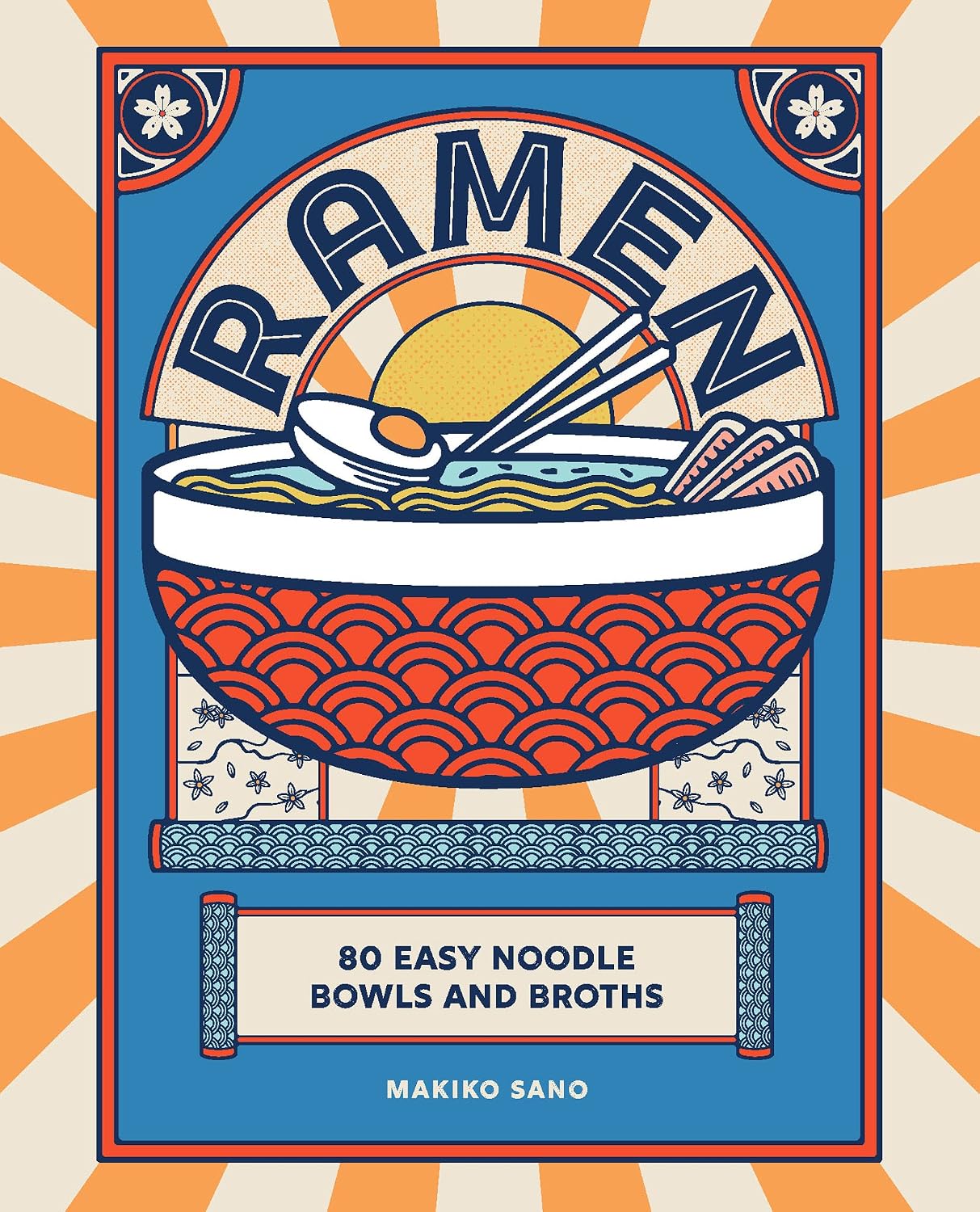
OH! Life Ramen: 80 Easy Noodle Bowls and Broths by Makiko Sano - Hardback Japanese & Korean Ramen Cookbook - 80 Recipes for Broths, Noodles & ToppingsRamen: 80 Easy Noodle Bowls and Broths is a beautifully illustrated hardback cookbook celebrating the global ramen craze. Written by Tokyo-born cook Makiko Sano, it guides home cooks through the fundamentals of building the perfect bowl, from rich, slow-simmered broths to quick instant versions. Whether you crave a light shoyu mushroom ramen or a deeply savoury tonkotsu pork broth, this collection offers something for every appetite, occasion, and skill level. The book distils the craft of noodle-bowl cooking into 80 approachable, thoroughly tested recipes. Makiko Sano begins with the essentials: how to make handmade noodles, how to layer flavour into broths, and how to balance tare, fat, and aromatics to create restaurant-quality results at home. This hardback cookbook is a must-have for anyone looking to explore the world of ramen.9,99 £*Shipping: 2,99 £Secure redirect to the provider
-
Uplift Picks Reusable Colorful Silicone Straws Heat Resistant Bubble Tea Cup Accessories 3 PcsSip smarter and add a pop of color to every drink. These reusable silicone straws are designed for comfort, durability, and everyday convenience. Perfect for smoothies, iced coffee, and milk tea, these bubble tea straws are wide enough for pearls...31,98 $*Shipping: 0,00 $Secure redirect to the provider
-
Yellow Door Sensory Play Stones, Pizza Toppings - MultiEat in or takeaway? Budding pizza chefs will love to create the pizzas of their choice using these durable food sculptures. Crafted from a unique stone mix, they are designed for use in mud, sand, dough and water both indoors and outside.34,95 $*Shipping: 0,00 $Secure redirect to the provider
-
Are there mammoths?
No, mammoths are extinct. They were large, elephant-like creatures that lived during the Ice Age, but they went extinct around 4,000 years ago. However, there have been some recent efforts to potentially bring back the mammoth through genetic engineering and cloning, but as of now, mammoths do not exist in the wild. **
-
When did mammoths exist?
Mammoths existed during the Pleistocene epoch, which lasted from about 2.6 million years ago to around 11,700 years ago. They roamed across North America, Europe, Asia, and Africa during this time. The last known population of mammoths lived on Wrangel Island in the Arctic Ocean and are believed to have gone extinct around 4,000 years ago. **
-
What did mammoths eat?
Mammoths were herbivores, meaning they primarily ate plants. Their diet consisted of grasses, shrubs, and other vegetation that was available in the environments they lived in. They used their long tusks and trunk to gather and consume these plant materials. The specific plants they ate would have varied depending on the region and time period in which they lived. **
-
Were mammoths smaller than elephants?
Yes, mammoths were generally smaller than modern elephants. The largest mammoths, such as the Columbian mammoth, could reach heights of around 13 feet at the shoulder and weigh up to 12 tons. In comparison, African elephants can grow up to 13 feet tall at the shoulder and weigh up to 14 tons, while Asian elephants are slightly smaller. Overall, mammoths were similar in size to some elephant species but tended to be slightly smaller on average. **
Similar search terms for Mammoths
-
The Handy Homestead Compostable Sugar Cane Straws Biodegradable Drinking & Eco Friendly Cocktail Straws Compostable Sugar Cane Straws Biodegradable Drinking & Eco Friendly Cocktail StrawsSip with purpose using our premium compostable sugar cane straws, designed for conscious consumers who want sustainability without compromise. These 200pcs 21cm eco alternatives elevate every drink from cold juices to fizzy cocktails while helping...41,97 $*Shipping: 0,00 $Secure redirect to the provider
-
Sol Living Moscow Mule Mugs Bar Accessories Drinking Cups 14 oz - 8 Pieces - 4 Cups & 4 StrawsIntroducing our exquisite Moscow Mule Gift Set, the ultimate addition to any kitchen or bar, blending elegance and functionality for cocktail enthusiasts.53,49 $*Shipping: 0,00 $Secure redirect to the provider
-
Uplift Picks Reusable Colorful Silicone Straws Heat Resistant Bubble Tea Cup Accessories 8 Pcs (bent)Sip smarter and add a pop of color to every drink. These reusable silicone straws are designed for comfort, durability, and everyday convenience. Perfect for smoothies, iced coffee, and milk tea, these bubble tea straws are wide enough for pearls...54,48 $*Shipping: 0,00 $Secure redirect to the provider
-
Where did the mammoths live?
Mammoths lived in various regions around the world, including North America, Europe, Asia, and Africa. They were well-adapted to cold environments and were commonly found in grasslands, tundra, and forested areas. Mammoths were particularly abundant during the Ice Age, when their habitat consisted of vast stretches of grassy plains and icy landscapes. **
-
Were mammoths stronger than elephants?
Mammoths were generally larger and more robust than modern elephants, so they likely had greater physical strength. However, the exact strength comparison between mammoths and elephants is difficult to determine with certainty due to the lack of direct evidence. Both mammoths and elephants are powerful animals, adapted to their respective environments and lifestyles. **
-
Could we live with mammoths?
Living with mammoths would present several challenges. Firstly, mammoths are large herbivores and would require a significant amount of food and space to roam. Additionally, their presence could potentially disrupt ecosystems and impact other species. Furthermore, the reintroduction of mammoths would require careful consideration of their impact on human activities and infrastructure. While the idea of living with mammoths is intriguing, it would require thorough planning and consideration of the potential consequences. **
-
Why did the mammoths become extinct?
Mammoths became extinct primarily due to a combination of factors, including climate change, overhunting by early humans, and habitat loss. The end of the last Ice Age led to a significant decline in their preferred habitat of grasslands and tundra. Additionally, the arrival of human hunters likely put additional pressure on already dwindling mammoth populations. These factors, combined with their slow reproductive rate and inability to adapt quickly to changing environments, ultimately led to the extinction of mammoths. **
* All prices are inclusive of VAT and, if applicable, plus shipping costs. The offer information is based on the details provided by the respective shop and is updated through automated processes. Real-time updates do not occur, so deviations can occur in individual cases. ** Note: Parts of this content were created by AI.