Buy bubbletea-shop.eu ?
We are moving the project
bubbletea-shop.eu .
Are you interested in purchasing the domain
bubbletea-shop.eu ?
domain@kv-gmbh.de · 0541-91531010
Buy bubbletea-shop.eu ?
Which elements are diatomic?
The elements that are diatomic in their natural state are hydrogen (H2), nitrogen (N2), oxygen (O2), fluorine (F2), chlorine (Cl2), bromine (Br2), and iodine (I2). These elements exist as diatomic molecules because they are more stable in pairs due to their electron configurations. When these elements are found in nature, they are typically bonded to another atom of the same element to form a diatomic molecule. **
Which elements are diatomic molecules?
The elements that exist as diatomic molecules in their natural state are hydrogen (H2), nitrogen (N2), oxygen (O2), fluorine (F2), chlorine (Cl2), bromine (Br2), and iodine (I2). These elements form stable diatomic molecules because they are more energetically favorable in pairs due to their electron configurations. When these elements are found in nature, they are typically bonded to another atom of the same element to form a diatomic molecule. **

Similar search terms for Diatomic
Top-Angebote
Products related to Diatomic:
-
Uplift Picks Reusable Colorful Silicone Straws Heat Resistant Bubble Tea Cup Accessories 3 PcsSip smarter and add a pop of color to every drink. These reusable silicone straws are designed for comfort, durability, and everyday convenience. Perfect for smoothies, iced coffee, and milk tea, these bubble tea straws are wide enough for pearls...31,98 $*Shipping: 0,00 $Secure redirect to the provider
-
Yellow Door Sensory Play Stones, Pizza Toppings - MultiEat in or takeaway? Budding pizza chefs will love to create the pizzas of their choice using these durable food sculptures. Crafted from a unique stone mix, they are designed for use in mud, sand, dough and water both indoors and outside.34,95 $*Shipping: 0,00 $Secure redirect to the provider
-
Sol Living Moscow Mule Mugs Bar Accessories Drinking Cups 14 oz - 8 Pieces - 4 Cups & 4 StrawsIntroducing our exquisite Moscow Mule Gift Set, the ultimate addition to any kitchen or bar, blending elegance and functionality for cocktail enthusiasts.49,99 $*Shipping: 0,00 $Secure redirect to the provider
-
Friendly Fresh Finds Stanley Cup Accessories Set Spill Proof Stoppers, Straws, Brushes & Flower Charm For Customization creamElevate your Stanley Cup with our 9pcs Stanley Cup Accessories Set. This thoughtfully curated set includes everything you need to personalize and protect your favorite cup. Designed for convenience and style, it features three spillproof stoppers,...34,97 $*Shipping: 0,00 $Secure redirect to the provider




-
Which elements are diatomic in chemistry?
In chemistry, the diatomic elements are those that naturally exist as molecules composed of two atoms bonded together. These elements are hydrogen (H2), nitrogen (N2), oxygen (O2), fluorine (F2), chlorine (Cl2), bromine (Br2), and iodine (I2). These elements form diatomic molecules because they are more stable when bonded to another atom of the same element, and they are commonly found in this form in nature. **
-
When do you write atoms as diatomic?
Atoms are written as diatomic when they naturally form molecules with two atoms bonded together. For example, elements such as hydrogen (H2), nitrogen (N2), oxygen (O2), fluorine (F2), chlorine (Cl2), bromine (Br2), and iodine (I2) exist as diatomic molecules in their elemental form. This is because these elements are more stable when they are bonded to another atom of the same element, forming a diatomic molecule. **
-
Why does nitrogen only occur as a diatomic molecule?
Nitrogen only occurs as a diatomic molecule (N2) because it is a highly stable molecule due to the presence of a triple bond between the two nitrogen atoms. This triple bond is very strong and requires a significant amount of energy to break, making it difficult for nitrogen to exist as a single atom. Additionally, the diatomic form of nitrogen allows for a more efficient sharing of electrons between the two atoms, contributing to its stability. **
-
Do ions need to be balanced if they are diatomic?
Yes, ions still need to be balanced even if they are diatomic. Diatomic ions are composed of two atoms of the same element that are either positively or negatively charged. In a chemical formula, the total charge of the diatomic ion must still be balanced with the total charge of the other ions present in the compound. Therefore, the charges of diatomic ions must be balanced just like any other ions. **

Why does nitrogen belong to diatomic molecules, but arsenic does not?
Nitrogen belongs to diatomic molecules because it is more stable when it forms a covalent bond with another nitrogen atom, creating a nitrogen molecule (N2). This stability is due to the filling of the outer electron shell, which is energetically favorable. On the other hand, arsenic does not belong to diatomic molecules because it is more stable in its elemental form as a single atom, rather than forming a covalent bond with another arsenic atom. This is because arsenic has a larger atomic size and different electron configuration compared to nitrogen, leading to different bonding behavior. **
How many degrees of freedom does a diatomic ideal gas have?
A diatomic ideal gas has 5 degrees of freedom. This includes 3 translational degrees of freedom (movement in x, y, and z directions) and 2 rotational degrees of freedom (rotation about two axes perpendicular to the molecular axis). The vibrational degrees of freedom are typically not considered for an ideal gas as they require quantized energy levels. **
Top-Angebote
Products related to Diatomic:
-
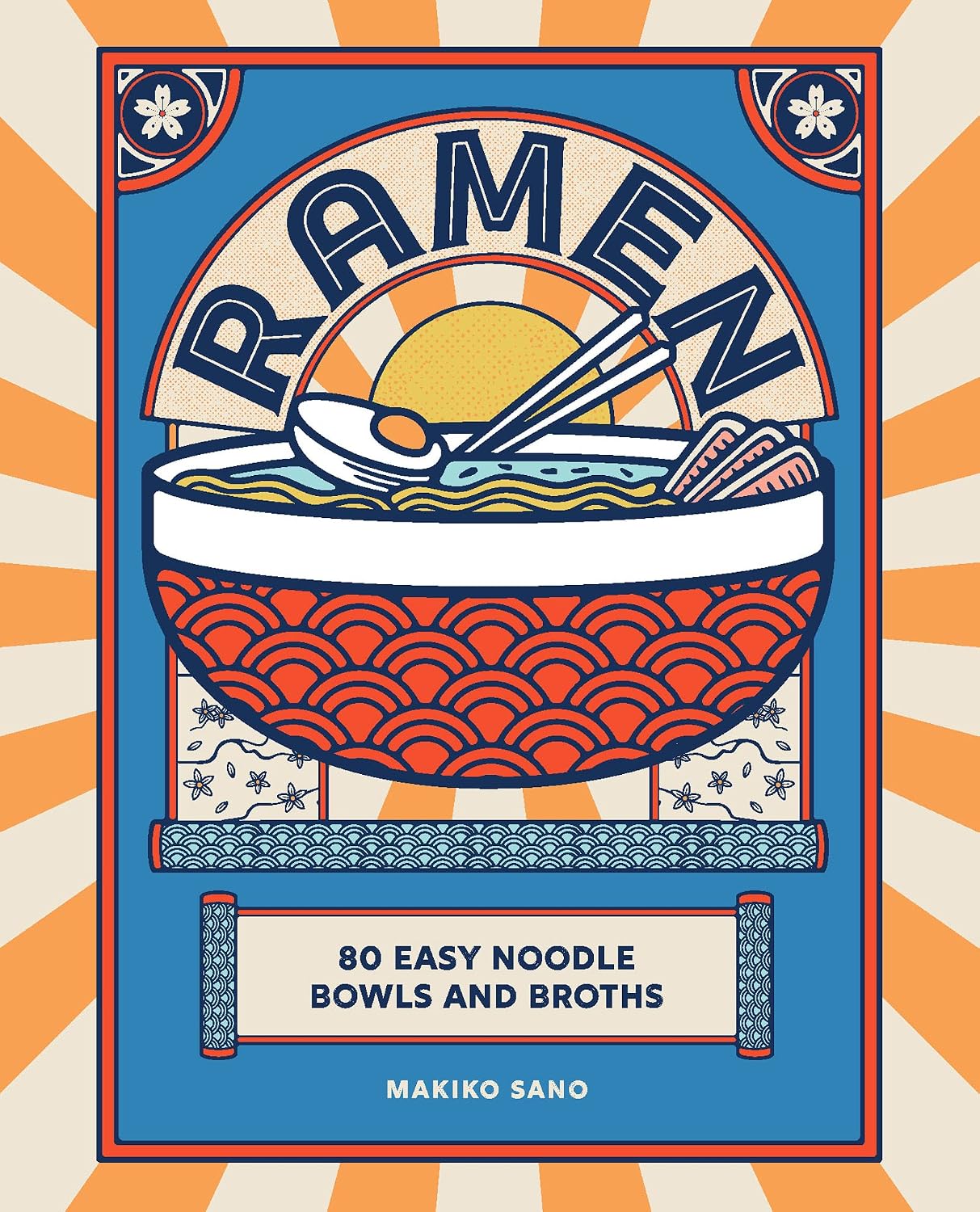
OH! Life Ramen: 80 Easy Noodle Bowls and Broths by Makiko Sano - Hardback Japanese & Korean Ramen Cookbook - 80 Recipes for Broths, Noodles & ToppingsRamen: 80 Easy Noodle Bowls and Broths is a beautifully illustrated hardback cookbook celebrating the global ramen craze. Written by Tokyo-born cook Makiko Sano, it guides home cooks through the fundamentals of building the perfect bowl, from rich, slow-simmered broths to quick instant versions. Whether you crave a light shoyu mushroom ramen or a deeply savoury tonkotsu pork broth, this collection offers something for every appetite, occasion, and skill level. The book distils the craft of noodle-bowl cooking into 80 approachable, thoroughly tested recipes. Makiko Sano begins with the essentials: how to make handmade noodles, how to layer flavour into broths, and how to balance tare, fat, and aromatics to create restaurant-quality results at home. This hardback cookbook is a must-have for anyone looking to explore the world of ramen.9,99 £*Shipping: 2,99 £Secure redirect to the provider
-
Uplift Picks Reusable Colorful Silicone Straws Heat Resistant Bubble Tea Cup Accessories 3 PcsSip smarter and add a pop of color to every drink. These reusable silicone straws are designed for comfort, durability, and everyday convenience. Perfect for smoothies, iced coffee, and milk tea, these bubble tea straws are wide enough for pearls...31,98 $*Shipping: 0,00 $Secure redirect to the provider
-
Yellow Door Sensory Play Stones, Pizza Toppings - MultiEat in or takeaway? Budding pizza chefs will love to create the pizzas of their choice using these durable food sculptures. Crafted from a unique stone mix, they are designed for use in mud, sand, dough and water both indoors and outside.34,95 $*Shipping: 0,00 $Secure redirect to the provider
-
Which elements are diatomic?
The elements that are diatomic in their natural state are hydrogen (H2), nitrogen (N2), oxygen (O2), fluorine (F2), chlorine (Cl2), bromine (Br2), and iodine (I2). These elements exist as diatomic molecules because they are more stable in pairs due to their electron configurations. When these elements are found in nature, they are typically bonded to another atom of the same element to form a diatomic molecule. **
-
Which elements are diatomic molecules?
The elements that exist as diatomic molecules in their natural state are hydrogen (H2), nitrogen (N2), oxygen (O2), fluorine (F2), chlorine (Cl2), bromine (Br2), and iodine (I2). These elements form stable diatomic molecules because they are more energetically favorable in pairs due to their electron configurations. When these elements are found in nature, they are typically bonded to another atom of the same element to form a diatomic molecule. **
-
Which elements are diatomic in chemistry?
In chemistry, the diatomic elements are those that naturally exist as molecules composed of two atoms bonded together. These elements are hydrogen (H2), nitrogen (N2), oxygen (O2), fluorine (F2), chlorine (Cl2), bromine (Br2), and iodine (I2). These elements form diatomic molecules because they are more stable when bonded to another atom of the same element, and they are commonly found in this form in nature. **
-
When do you write atoms as diatomic?
Atoms are written as diatomic when they naturally form molecules with two atoms bonded together. For example, elements such as hydrogen (H2), nitrogen (N2), oxygen (O2), fluorine (F2), chlorine (Cl2), bromine (Br2), and iodine (I2) exist as diatomic molecules in their elemental form. This is because these elements are more stable when they are bonded to another atom of the same element, forming a diatomic molecule. **
Similar search terms for Diatomic
-
Sol Living Moscow Mule Mugs Bar Accessories Drinking Cups 14 oz - 8 Pieces - 4 Cups & 4 StrawsIntroducing our exquisite Moscow Mule Gift Set, the ultimate addition to any kitchen or bar, blending elegance and functionality for cocktail enthusiasts.49,99 $*Shipping: 0,00 $Secure redirect to the provider
-
Friendly Fresh Finds Stanley Cup Accessories Set Spill Proof Stoppers, Straws, Brushes & Flower Charm For Customization creamElevate your Stanley Cup with our 9pcs Stanley Cup Accessories Set. This thoughtfully curated set includes everything you need to personalize and protect your favorite cup. Designed for convenience and style, it features three spillproof stoppers,...34,97 $*Shipping: 0,00 $Secure redirect to the provider
-
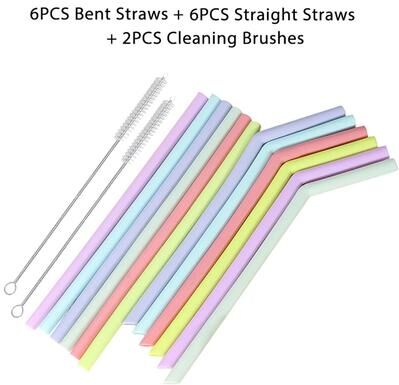
Uplift Picks Reusable Colorful Silicone Straws Heat Resistant Bubble Tea Cup Accessories 14 Pcs (mix)Sip smarter and add a pop of color to every drink. These reusable silicone straws are designed for comfort, durability, and everyday convenience. Perfect for smoothies, iced coffee, and milk tea, these bubble tea straws are wide enough for pearls...44,98 $*Shipping: 0,00 $Secure redirect to the provider
-
Uplift Picks Reusable Colorful Silicone Straws Heat Resistant Bubble Tea Cup Accessories 8 Pcs (straight)Sip smarter and add a pop of color to every drink. These reusable silicone straws are designed for comfort, durability, and everyday convenience. Perfect for smoothies, iced coffee, and milk tea, these bubble tea straws are wide enough for pearls...50,98 $*Shipping: 0,00 $Secure redirect to the provider
-
Why does nitrogen only occur as a diatomic molecule?
Nitrogen only occurs as a diatomic molecule (N2) because it is a highly stable molecule due to the presence of a triple bond between the two nitrogen atoms. This triple bond is very strong and requires a significant amount of energy to break, making it difficult for nitrogen to exist as a single atom. Additionally, the diatomic form of nitrogen allows for a more efficient sharing of electrons between the two atoms, contributing to its stability. **
-
Do ions need to be balanced if they are diatomic?
Yes, ions still need to be balanced even if they are diatomic. Diatomic ions are composed of two atoms of the same element that are either positively or negatively charged. In a chemical formula, the total charge of the diatomic ion must still be balanced with the total charge of the other ions present in the compound. Therefore, the charges of diatomic ions must be balanced just like any other ions. **
-
Why does nitrogen belong to diatomic molecules, but arsenic does not?
Nitrogen belongs to diatomic molecules because it is more stable when it forms a covalent bond with another nitrogen atom, creating a nitrogen molecule (N2). This stability is due to the filling of the outer electron shell, which is energetically favorable. On the other hand, arsenic does not belong to diatomic molecules because it is more stable in its elemental form as a single atom, rather than forming a covalent bond with another arsenic atom. This is because arsenic has a larger atomic size and different electron configuration compared to nitrogen, leading to different bonding behavior. **
-
How many degrees of freedom does a diatomic ideal gas have?
A diatomic ideal gas has 5 degrees of freedom. This includes 3 translational degrees of freedom (movement in x, y, and z directions) and 2 rotational degrees of freedom (rotation about two axes perpendicular to the molecular axis). The vibrational degrees of freedom are typically not considered for an ideal gas as they require quantized energy levels. **
* All prices are inclusive of VAT and, if applicable, plus shipping costs. The offer information is based on the details provided by the respective shop and is updated through automated processes. Real-time updates do not occur, so deviations can occur in individual cases. ** Note: Parts of this content were created by AI.