Buy bubbletea-shop.eu ?
We are moving the project
bubbletea-shop.eu .
Are you interested in purchasing the domain
bubbletea-shop.eu ?
domain@kv-gmbh.de · 0541-91531010
Buy bubbletea-shop.eu ?
How can one cut a bearing, if one has a two-way bearing without bearing force?
If one has a two-way bearing without bearing force, it can be cut by using a cutting tool such as a saw or a grinder. The cutting tool should be used to carefully cut through the outer ring of the bearing, being cautious not to damage the inner components. It is important to wear protective gear and work in a well-ventilated area when cutting a bearing to ensure safety. Additionally, it may be helpful to seek guidance from a professional or refer to the manufacturer's instructions for specific guidance on cutting the particular type of bearing. **
How do you reinstall a hub bearing or ball bearing?
To reinstall a hub bearing or ball bearing, you will need to first clean the bearing housing and apply a thin layer of grease to the inside of the housing. Next, carefully place the bearing back into the housing, making sure it is properly aligned. Use a bearing press or a socket and hammer to gently tap the bearing into place until it is fully seated. Finally, reassemble the rest of the components in the correct order and torque the axle nut to the manufacturer's specifications. **


Similar search terms for Bearing
Top-Angebote
Products related to Bearing:
-
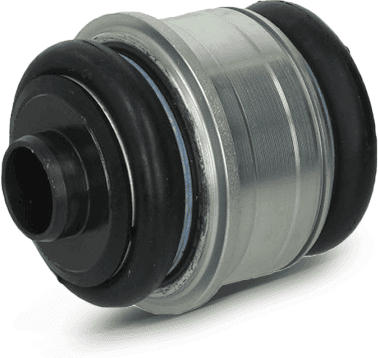
METZGER 52103709 Bearing, wheel bearing housingFitting Position: Rear Axle Left, Rear Axle Right, outer, Lower; Inner Diameter [mm]: 12; Outer Diameter [mm]: 37,4; Height: 50; Mounting Type: Rubber-Metal Mount; Guarantee: 3 years guarantee or up to 75,000km; for PR number: 0N46,99 £*Shipping: 8,45 £Secure redirect to the provider
-
METZGER 52139209 Bearing, wheel bearing housingFitting Position: Rear Axle Left, Rear Axle Right, Lower; Height: 65; Inner Diameter [mm]: 16; Outer Diameter [mm]: 54; Mounting Type: Rubber Mount; Required quantity: 2; Guarantee: 3 years guarantee or up to 75,000km24,99 £*Shipping: 8,45 £Secure redirect to the provider
-
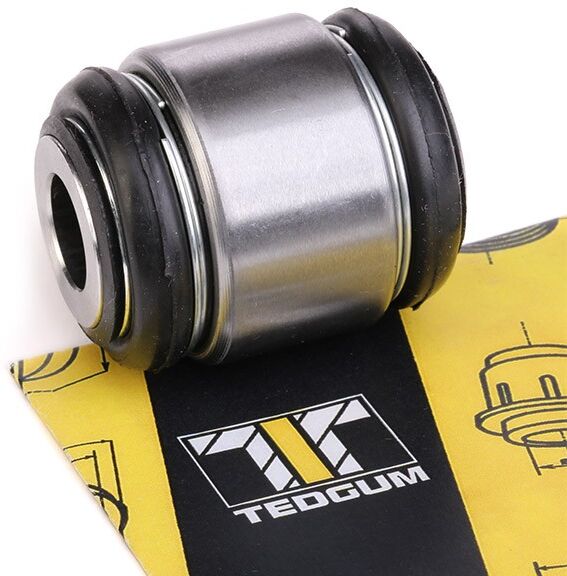
TEDGUM 00025904 Bearing, wheel bearing housingRequired quantity: 2; Required quantity: 2; Weight [kg]: 0,21; Inner Diameter [mm]: 14; Outer Diameter [mm]: 40; Length 2 [mm]: 24; Length 1 [mm]: 48; Fitting Position: Lower, Rear Axle, Front; Fitting Position: Lower, Rear Axle Left, outer, Rear Axle Right, Front Axle Left, Front Axle Right, Front, Rear, Rear Axle both sides; Control/Trailing Arm Type: for control arm; Control/Trailing Arm Type: for control arm9,59 £*Shipping: 8,45 £Secure redirect to the provider


-
Is it a load-bearing or non-load-bearing wall?
Without further information or context, it is impossible to determine if the wall in question is load-bearing or non-load-bearing. Load-bearing walls are designed to support the weight of a structure, while non-load-bearing walls are primarily used for dividing spaces and do not support structural weight. It is important to consult a structural engineer or building professional to assess the specific characteristics of the wall in question to determine its load-bearing capacity. **
-
Live-bearing fish species
Live-bearing fish species are a type of fish that give birth to live young instead of laying eggs. This reproductive strategy is common among fish such as guppies, mollies, and swordtails. Live-bearing fish are popular among aquarium hobbyists due to their interesting breeding behaviors and the ability to observe the development of the young fish. This reproductive strategy allows the offspring to have a higher chance of survival compared to species that lay eggs, as the young are born fully developed and able to swim and feed on their own. **
-
What is a bearing?
A bearing is a mechanical component that allows for smooth rotation or movement between two parts. It is typically a round metal component that reduces friction and helps support the load of the rotating or moving parts. Bearings are commonly used in various machines and equipment, such as vehicles, industrial machinery, and household appliances, to facilitate smooth and efficient operation. **
-
What causes bearing damage?
Bearing damage can be caused by a variety of factors, including improper lubrication, contamination from dirt or debris, misalignment, overloading, or excessive heat. Lack of maintenance, poor installation practices, and using the wrong type of bearing for the application can also contribute to bearing damage. It is important to regularly inspect and maintain bearings to prevent damage and ensure optimal performance. **

'How do I recognize a load-bearing and a non-load-bearing wall?'
Load-bearing walls are typically located in the center of a building or perpendicular to the floor joists. They are usually made of thicker, stronger materials such as concrete, brick, or solid wood. Non-load-bearing walls, on the other hand, are often located on the perimeter of a building and are made of lighter materials such as drywall or wood studs. Additionally, load-bearing walls are essential for the structural integrity of a building, while non-load-bearing walls are primarily used for dividing space and can be removed without compromising the building's stability. If you are unsure, it is best to consult with a structural engineer or building professional to determine the load-bearing status of a wall. **
Should one use an industrial bearing or a cone bearing for a bicycle?
For a bicycle, it is generally recommended to use cone bearings. Cone bearings are more commonly used in bicycle hubs and bottom brackets because they are easier to adjust and maintain. They also provide a smoother and more efficient rotation for the wheels and pedals. Industrial bearings, on the other hand, are designed for heavier loads and higher speeds, which are not typically necessary for a bicycle application. Therefore, cone bearings are the more suitable choice for a bicycle. **
Top-Angebote
Products related to Bearing:
-
Amber Locke Nourish: Over 100 Recipes for Salads, Toppings & Twists - Non Fiction - PaperbackTitle:. Nourish: Over 100 recipes for salads, toppings & twists Condition: BRAND NEW. Format: Paperback Overview:. Turn everyday greens into show-stopping meals with Nourish: Over 100 recipes for salads, toppings & twists. This paperback cookbook invites you to explore salads as a canvas for color, texture, and nutrition. Inside, you’ll discover practical guidance on selecting ingredients, choosing the right tools, and mastering cutting techniques that speed prep without sacrificing flavour. The book embraces variety, offering over 100 recipes that mix leafy greens, grains, beans, fruits, nuts, seeds, herbs, and a bold roster of dressings to create bowls that are as nourishing as they are delicious. Each chapter guides you to build a complete, balanced plate, with clear assembly steps and ideas for customizing toppings to suit your palate, dietary needs, or the season. A dedicated focus on dressings means you can transform the same greens into dozens of distinct tasting experiences. Whether you’re cooking for one, meal-prepping for the week, or feeding a hungry family, Nourish makes healthy eating simple, vibrant, and attainable. It’s not just a collection of recipes—it’s a practical system for brighter meals, built to energise your day with colour, crunch, and flavour. What Makes This Book Stand Out:. What sets Nourish apart is its practical, usable approach to salad-making. It goes beyond listing ingredients by offering a cohesive framework: you learn how to think in texture and balance—how to pair crunchy toppings with creamy elements, how to modulate sweetness with tangy dressings, and how to layer flavours so every mouthful feels satisfying. The book provides a toolkit of guidance on ingredients, essential tools, and precise cutting techniques that speed up prep without compromising quality. With more than 100 recipes, you’ll discover endless versatility—from light lunchtime bowls to hearty, plant-forward dinners—so your week can flex between quick fixes and more elaborate creations. The emphasis on light, energising meals helps you enjoy nourishment without heaviness, encouraging a sustainable, joyful relationship with food. Nourish teaches you a reliable method: start with vibrant greens, add a protein or grain for substance, crown with toppings for personality, and finish with a dressing that harmonises every component. It’s a flexible cooking companion that grows with your tastes and seasonality. Who This Book Is Perfect For:. This book is ideal for anyone looking to elevate everyday meals with colour, crunch, and bright flavours. Busy professionals who want quick, healthful lunches will appreciate the straightforward assembly steps; families seeking kid-friendly, nutritious options will enjoy the mix of textures and tastes; plant-based eaters will find abundant ideas for satisfying bowls without compromising flavour. It’s friendly to beginners who want a simple framework and valuable to seasoned home cooks who crave fresh twists on...3,99 £*Shipping: 2,99 £Secure redirect to the provider
-
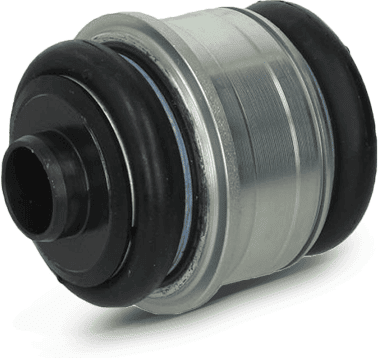
METZGER 52103709 Bearing, wheel bearing housingFitting Position: Rear Axle Left, Rear Axle Right, outer, Lower; Inner Diameter [mm]: 12; Outer Diameter [mm]: 37,4; Height: 50; Mounting Type: Rubber-Metal Mount; Guarantee: 3 years guarantee or up to 75,000km; for PR number: 0N46,99 £*Shipping: 8,45 £Secure redirect to the provider
-
How can one cut a bearing, if one has a two-way bearing without bearing force?
If one has a two-way bearing without bearing force, it can be cut by using a cutting tool such as a saw or a grinder. The cutting tool should be used to carefully cut through the outer ring of the bearing, being cautious not to damage the inner components. It is important to wear protective gear and work in a well-ventilated area when cutting a bearing to ensure safety. Additionally, it may be helpful to seek guidance from a professional or refer to the manufacturer's instructions for specific guidance on cutting the particular type of bearing. **
-
How do you reinstall a hub bearing or ball bearing?
To reinstall a hub bearing or ball bearing, you will need to first clean the bearing housing and apply a thin layer of grease to the inside of the housing. Next, carefully place the bearing back into the housing, making sure it is properly aligned. Use a bearing press or a socket and hammer to gently tap the bearing into place until it is fully seated. Finally, reassemble the rest of the components in the correct order and torque the axle nut to the manufacturer's specifications. **
-
Is it a load-bearing or non-load-bearing wall?
Without further information or context, it is impossible to determine if the wall in question is load-bearing or non-load-bearing. Load-bearing walls are designed to support the weight of a structure, while non-load-bearing walls are primarily used for dividing spaces and do not support structural weight. It is important to consult a structural engineer or building professional to assess the specific characteristics of the wall in question to determine its load-bearing capacity. **
-
Live-bearing fish species
Live-bearing fish species are a type of fish that give birth to live young instead of laying eggs. This reproductive strategy is common among fish such as guppies, mollies, and swordtails. Live-bearing fish are popular among aquarium hobbyists due to their interesting breeding behaviors and the ability to observe the development of the young fish. This reproductive strategy allows the offspring to have a higher chance of survival compared to species that lay eggs, as the young are born fully developed and able to swim and feed on their own. **
Similar search terms for Bearing
-
METZGER 52139209 Bearing, wheel bearing housingFitting Position: Rear Axle Left, Rear Axle Right, Lower; Height: 65; Inner Diameter [mm]: 16; Outer Diameter [mm]: 54; Mounting Type: Rubber Mount; Required quantity: 2; Guarantee: 3 years guarantee or up to 75,000km24,99 £*Shipping: 8,45 £Secure redirect to the provider
-
TEDGUM 00025904 Bearing, wheel bearing housingRequired quantity: 2; Required quantity: 2; Weight [kg]: 0,21; Inner Diameter [mm]: 14; Outer Diameter [mm]: 40; Length 2 [mm]: 24; Length 1 [mm]: 48; Fitting Position: Lower, Rear Axle, Front; Fitting Position: Lower, Rear Axle Left, outer, Rear Axle Right, Front Axle Left, Front Axle Right, Front, Rear, Rear Axle both sides; Control/Trailing Arm Type: for control arm; Control/Trailing Arm Type: for control arm9,59 £*Shipping: 8,45 £Secure redirect to the provider
-
A.B.S. 271069 Bearing, wheel bearing housingLength [mm]: 47; Inner Diameter [mm]: 12; Outer Diameter [mm]: 46,5; Fitting Position: Rear Axle Left, Rear Axle Right, Lower, in front of axle, Left, Right; Vehicle type: 325i Touring, 325i Coupe, 325i, 330i Touring, 335i xDrive Coupe5,59 £*Shipping: 8,45 £Secure redirect to the provider
-
A.B.S. 270771 Bearing, wheel bearing housingInner Diameter [mm]: 14,2; Outer Diameter [mm]: 47,3; Length [mm]: 55; Paired product: 270771; Fitting Position: Rear Axle Left, Rear Axle Right, outer, Lower, inner, Left, Right, Rear Axle, behind the axle, Upper; Vehicle type: 325i xDrive Coupe, 330i Touring, 330i xDrive Touring7,99 £*Shipping: 8,45 £Secure redirect to the provider
-
What is a bearing?
A bearing is a mechanical component that allows for smooth rotation or movement between two parts. It is typically a round metal component that reduces friction and helps support the load of the rotating or moving parts. Bearings are commonly used in various machines and equipment, such as vehicles, industrial machinery, and household appliances, to facilitate smooth and efficient operation. **
-
What causes bearing damage?
Bearing damage can be caused by a variety of factors, including improper lubrication, contamination from dirt or debris, misalignment, overloading, or excessive heat. Lack of maintenance, poor installation practices, and using the wrong type of bearing for the application can also contribute to bearing damage. It is important to regularly inspect and maintain bearings to prevent damage and ensure optimal performance. **
-
'How do I recognize a load-bearing and a non-load-bearing wall?'
Load-bearing walls are typically located in the center of a building or perpendicular to the floor joists. They are usually made of thicker, stronger materials such as concrete, brick, or solid wood. Non-load-bearing walls, on the other hand, are often located on the perimeter of a building and are made of lighter materials such as drywall or wood studs. Additionally, load-bearing walls are essential for the structural integrity of a building, while non-load-bearing walls are primarily used for dividing space and can be removed without compromising the building's stability. If you are unsure, it is best to consult with a structural engineer or building professional to determine the load-bearing status of a wall. **
-
Should one use an industrial bearing or a cone bearing for a bicycle?
For a bicycle, it is generally recommended to use cone bearings. Cone bearings are more commonly used in bicycle hubs and bottom brackets because they are easier to adjust and maintain. They also provide a smoother and more efficient rotation for the wheels and pedals. Industrial bearings, on the other hand, are designed for heavier loads and higher speeds, which are not typically necessary for a bicycle application. Therefore, cone bearings are the more suitable choice for a bicycle. **
* All prices are inclusive of VAT and, if applicable, plus shipping costs. The offer information is based on the details provided by the respective shop and is updated through automated processes. Real-time updates do not occur, so deviations can occur in individual cases. ** Note: Parts of this content were created by AI.